
50 Years of Lifestyle Trends: From Exotic Foods to Spiritual Healing and Helpful Homeshare
The last half-century has witnessed remarkable shifts in how we live, eat, and connect with one another in the West. From the foods we consume to the way we share our homes, social lifestyle trends have continuously evolved, reflecting changing economic realities, cultural exchanges, and our deepest human needs. Let's explore some of the most fascinating transformations that have shaped modern British life.
The Global Food Revolution
Fifty years ago, British dinner tables looked vastly different. The arrival of sushi in mainstream consciousness during the 1980s and 1990s marked a watershed moment in our culinary adventure. What was once considered bizarre - eating raw fish - became a lunchtime staple. Similarly, the hummus revolution of the early 2000s transformed this Middle Eastern chickpea dip from an exotic curiosity into a supermarket essential.

Western food culture has transformed from processed convenience to global exploration and mindful eating. The rise of sushi paved the way for mainstream multicultural fusion, while the farm-to-table movement championed local, seasonal ingredients.
With an increasing focus on climate change and health, today, sustainability is the dominant force. This is driven by plant-based innovations wellness foods, and 'hyper-regional global cuisines' where restaurants shift away from broad national labels (like "Indian" or "Italian") to focus on the deeply specific, localized food traditions, micro-cultures, and native ingredients of a single town or small geographic community.
Hydroponics and Seasonality
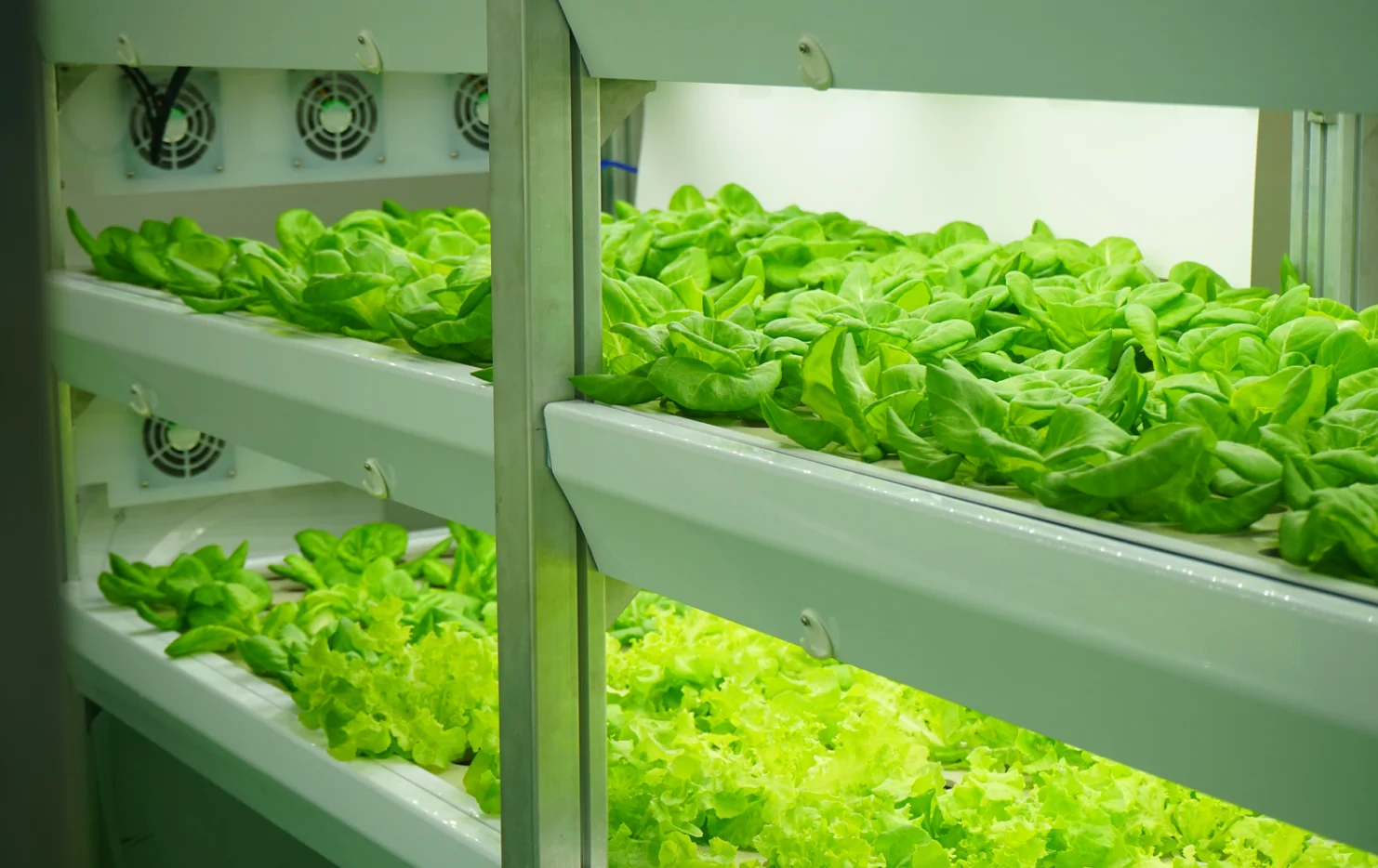
Hydroponics is the process of growing plants in sand, gravel or liquid, with added nutrients but without soil, and it has transformed British farming. It comes at a higher cost, but it makes crop production independent of the UK's increasingly volatile weather. Now you can enjoy delicious strawberries in any season, and no longer have to wait for summer!

How did this happen? Well, early British soilless plant experiments date back to the 17th century, but commercial UK hydroponics really accelerated in the 1960s. Today, the UK industry relies heavily on controlled environment agriculture in massive facilities like Kent's Thanet Earth, which alone produces a large percentage of the nation's domestically grown tomatoes, cucumbers, and peppers.
By cultivating inside high-tech glasshouses and vertical farms, the UK agricultural sector has transformed the seasonality of specific food types. Hydroponics completely bypasses weather disruptions and enables year-round production of fast-maturing crops like butter lettuce, strawberries, and herbs. This dramatically reduces the country's reliance on imported produce, and is good for the environment - using less water and producing greater crop yield from it.
The Rise of Allergies
The twenty-first century witnessed a constant increase in hypersensitivity reactions to food. According to recent estimates, as many as 520 million people are affected by food allergies worldwide - that's 3–10% of children and up to 10% of adults.
Global food allergies have escalated sharply over the last few decades, with conditions like celiac disease and life-threatening peanut allergies doubling or tripling in Western nations. Researchers attribute this surge to factors like industrial processing, which typically alters foods to be lower in fiber and higher in additives, emulsifiers, and refined sugars. This generally reduces helpful bacterial diversity in the digestive tract and can promote inflammation and chronic disease. Another factor is considered to be historical medical advice that mistakenly delayed introducing common allergens to infants to help them build immunity.
Most people have heard of tragic examples of anaphylactic shock causing sudden death from someone eating a sandwich with an unknown ingredient that was highly dangerous to them. As a result, millions of families have been forced to strictly manage severe dietary risks, shifting food allergies from a niche medical concern into a major public health priority. This has transformed the food industry, driving gluten-free and nut-free eating into the mainstream retail market. It has also led to tighter rules on food labelling, and even the banning of any peanut products from being brought on board airlines or into schools.

The Growing Appeal of Meditation, Yoga & Mindfulness
Once the preserve of alternative lifestyles, yoga and mindfulness Eastern wellness practices have become deeply embedded in Western culture. According to Sport England, over 460,000 people in England now practice yoga regularly, a figure that would have seemed unthinkable fifty years ago.
Spiritual healing in the West has shifted from niche, countercultural alternative practices into a mainstream, commercialized wellness industry. Driven by the 1970s New Age movement and a rise in people identifying as "spiritual but not religious", traditional Western reliance on institutional church prayer has reduced somewhat. Practices like crystal work, energy balancing, mindfulness, and yoga emerged, drawing heavily from blended Eastern and Indigenous traditions.
In subsequent decades, these ancient traditions evolved to fit Western sensibilities, shifting toward physical fitness and accessible wellness. Pioneers of "modern postural yoga" adapted traditional Hatha yoga to incorporate gymnastics and medical science, making physical postures (asanas) highly appealing to a health-conscious public. Today, backed by scientific research validating their stress-reduction and mental health benefits, meditation and yoga are firmly cemented as pillars of Western wellness, practised in dedicated studios, homes, and corporate settings alike.
Mindfulness is widely considered a 21st-century buzzword, rooted in ancient Asian contemplative and Buddhist traditions, and now heavily commercialized by the multi-billion-dollar wellness and corporate industries. When taught by qualified professionals, secular practices like Mindfulness-Based Stress Reduction (MBSR) and Mindfulness-Based Cognitive Therapy (MBCT) can help with stress, chronic pain, and emotional regulation.
See Mindfulness Tips

Subcontracting Childcare & The Start of Shared Living
The au pair phenomenon of the 1970s and 1980s saw a shift towards contracting in help to provide childcare support. This was a brave move, given that parents were handing over responsibility for their children to total strangers, and it was one of the earliest forms of shared household arrangements. Middle-class families welcomed young, mainly Europeans, into their homes, offering accommodation in exchange for childcare help. This cultural exchange enriched both parties - families gained affordable childcare, whilst young people learned English and experienced British life.
The lodger boom of the 1990s and early 2000s took a different form. As property prices began their relentless climb, homeowners increasingly took in lodgers purely for income. Yet these arrangements were usually transactional, lacking the companionship element that characterised earlier models.
Interestingly, the co-housing movement emerged as a counterpoint, with communities forming around shared values and spaces. These pioneering groups recognised that modern isolation wasn't inevitable - rather, people band together to design, build, and manage their own neighborhoods. Each household keeps a fully private, self-contained home, but residents share communal spaces—like gardens, laundries, or a "common house" for shared meals—and make decisions collectively. Inspired by Scandinavian models from the 1970s, the modern UK movement took root in the late 1990s as an intentional way to combat loneliness, lower living costs, and build eco-friendly communities.
The Digital Connection Paradox
The rise of social media from the mid-2000s onwards promised to connect us like never before. Yet paradoxically, rates of loneliness have soared. Research by the Campaign to End Loneliness reveals that over 3.8 million people in the UK are chronically lonely, with the problem affecting all age groups, not just older adults.
The gig economy and remote working trends, accelerated dramatically by the pandemic, have further transformed how we structure our days. Whilst offering flexibility, these changes have also minimised the traditional workplace as a source of social connection. A recent study showed that 44% of workers now do some remote work, fundamentally altering where and how we live.

The Housing Crisis Generation
Perhaps no trend has been more impactful than the transformation of housing from a basic need into an increasingly unattainable dream. Research from the Resolution Foundation shows that people aged 25-34 now spend approximately 30% of their income on rent, compared to 10% in the 1980s. Meanwhile, studies suggest that 40% of today's young adults will never be able to afford their own homes.
Key workers - nurses, teachers, social workers, paramedics - find themselves particularly squeezed. The Nursing Times reports that some NHS nurses spend up to 50% of their income on rent in cities like London, forcing them to commute long distances or leave the profession entirely.
Concurrently, older generations face different pressures. According to Age UK, there are over 5 million people aged 65+ living alone in the UK, many in properties with spare bedrooms. Research indicates that 62% of over-55s have no intention of downsizing, despite having unused space.
The Homeshare Renaissance
Against this backdrop, a cultural lifestyle shift towards mutually beneficial homeshare has emerged as a compelling solution. This isn't a standard lodging arrangement, as previous generations knew them, or even the traditional au pair model. Modern homesharing represents a reimagined approach to shared living that addresses multiple contemporary crises simultaneously.
Householders with spare rooms - whether families, middle-aged professionals, or older people living alone - can welcome compatible lodgers who provide companionship and flexible practical help. Lodgers gain comfortable accommodation at below-market rates (typically 300-£650/month including bills), whilst householders enjoy regular income as well as practical help and genuine connection.
It is the 'help component' that distinguishes this model from simple lodging. A family might appreciate support with school runs or tutoring. Someone in middle age might value assistance with DIY, dog walking, or having a house-sitter whilst travelling. Companionship naturally flows from these interactions, combating the isolation affecting millions.
This trend reflects a broader cultural shift towards collaborative consumption and the sharing economy, but with a crucial difference: it creates lasting human connections, not just transactions. It's environmentally beneficial too, utilising under-used housing stock and reducing energy waste through shared spaces.

Conclusion
From embracing international cuisines to reimagining how we share our homes, the past 50 years have taught us that social trends often emerge from necessity as much as choice. Today's homesharing revolution addresses the defining challenges of our time - unaffordable housing, loneliness, and the cost of living crisis - whilst harking back to the au pair era's spirit of cultural exchange and mutual benefit.
Discover how hapipod is making practical, rewarding homeshare accessible to everyone. Visit hapipod.com to explore how shared living could transform your life, whether you have a spare room to offer or need an affordable one.
See also The Psychology of Luck - How to Create Your Own Good Fortune
Ready to find your homeshare?
Join thousands of hosts and lodgers building meaningful connections across the UK.
Get started free