
Is 60 Really the New 40? The Science Behind Modern Midlife
You may have heard the phrase 'sixty is the new forty' bandied about at dinner parties and in lifestyle magazines. But is there any truth to this optimistic claim, or is it just wishful thinking? The answer, as science reveals, is more nuanced than a simple yes or no. While we're certainly living longer and healthier lives than previous generations, the reality of modern ageing is both encouraging and complex.

The Longevity Revolution: We're Living Longer Lives
There's no denying that life expectancy has increased dramatically over the past century. According to the Office for National Statistics, life expectancy in the UK has risen from around 50 years in 1900 to approximately 79 years for men and 83 years for women today. That's an extra three decades of life that our great-grandparents never enjoyed.
But it's not just about quantity - it's about quality too. Research published in The Lancet suggests that healthy life expectancy has also increased, meaning people are spending more years free from disability and serious illness. A 60-year-old today is, on average, considerably healthier and more active than a 60-year-old was fifty years ago.
What the Science Actually Says About Biological Age
The concept of '60 being the new 40' stems partly from the distinction between chronological age (how many years you've lived) and biological age (how well your body is functioning). Scientists can now measure biological age through various markers including metabolic indicators and DNA Methylation (essentially, looking at how 'active' our DNA is).
A fascinating study from Duke University followed participants over several decades and found that people of the same chronological age could have biological ages varying by as much as three decades. Some 38-year-olds had the biological age of a 28-year-old, whilst others were closer to 60.
Several factors influence biological ageing:
- Diet and nutrition - eating a balanced, Mediterranean-style diet rich in vegetables, fruits, and healthy fats
- Regular physical activity - even moderate exercise like walking 30 minutes daily makes a significant difference
- Social connections - maintaining strong relationships and community ties
- Mental stimulation - keeping the brain active through learning and new experiences
- Stress management - chronic stress accelerates biological ageing
- Quality sleep - getting 7-9 hours of restorative sleep nightly
The Reality Check: Not Everyone Ages the Same
Whilst the science is encouraging, it's important to acknowledge that not everyone experiences this 'younger ageing'. Scientists generally estimate that our DNA influences roughly 10% to 30% of overall health and fertility, leaving 70% to 90% driven by environmental and lifestyle factors
Socioeconomic factors play a huge role. Research from University College London found that people in the most deprived areas of England can expect to spend up to 19 fewer years in good health compared to those in the least deprived areas.
According to Age UK, approximately 2.65 million older people in the UK live in poverty, which significantly impacts their ability to age well. Access to healthcare, nutritious food, safe housing, and opportunities for physical activity aren't evenly distributed across society.
When Does Middle Age Really Begin?
Traditionally, middle age was considered to span from 40 to 60. However, attitudes are shifting. A 2018 survey by the Royal Voluntary Service found that Britons now believe middle age doesn't start until 55, and many don't consider themselves 'old' until well into their 70s.
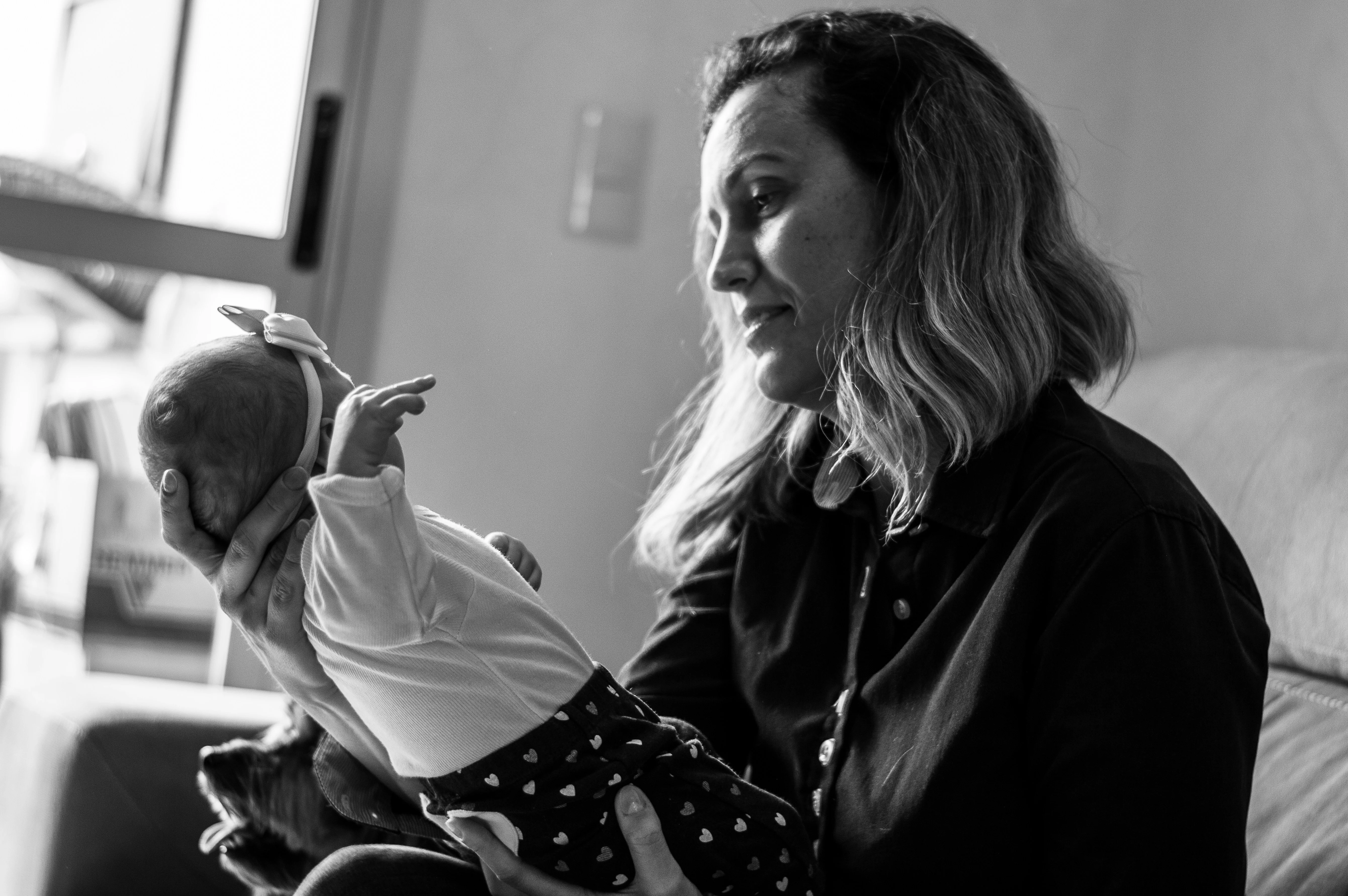
This shift reflects both increased longevity and changing social attitudes. Thanks to evolution and modern medicine, many women are now able to have children later in life. At 50, Naomi Campbell welcomed her first child into the world, whilst Mick Jagger was enjoying his second grandchild!
People in their 50s and 60s are more likely to be working, travelling, starting new relationships, and pursuing hobbies than previous generations. The traditional life stages of education, work, parenting and retirement have become far more fluid.
The World Health Organization now classifies people aged 60-74 as 'young old', 75-84 as 'old', and those over 85 as 'very old' - a categorisation that would have seemed absurd a century ago.
Making the Most of Your 'Bonus Years'
Whether 60 is truly the new 40 depends largely on individual circumstances, but the evidence suggests we have unprecedented opportunities to live vibrant, fulfilling lives well into what was once considered 'old age'. The key is to take advantage of the factors within our control.
Staying physically active, maintaining social connections, continuing to learn new things, and looking after mental health all contribute to a more youthful biological age. For many people over 50, this might also mean rethinking living arrangements to ensure they're conducive to wellbeing rather than isolation.
According to the Campaign to End Loneliness, 3.8 million older people in the UK live alone, and many experience chronic loneliness, which research shows can be as harmful to health as smoking 15 cigarettes a day (https://www.campaigntoendloneliness.org).
See also How Homeshare Can Add Fun Energy and Youthful Zing to Your Retirement

Conclusion
So is 60 the new 40? We're certainly living longer, healthier lives than any generation before us, but the quality of those extra years depends on numerous factors, both within and beyond our control. The science suggests that with the right lifestyle choices and social support, many of us can expect to feel considerably younger than our chronological age suggests.
If you're looking to make the most of your middle years and beyond, consider how your living situation supports your wellbeing. At hapipod, we connects of all ages in practical homesharing arrangements that combat loneliness, reduce living costs, and create meaningful connections. Whether you have a spare room or are looking for affordable accommodation with built-in companionship, homesharing might be the perfect solution for a vibrant, connected life at any age.
Ready to find your homeshare?
Join thousands of hosts and lodgers building meaningful connections across the UK.
Get started free