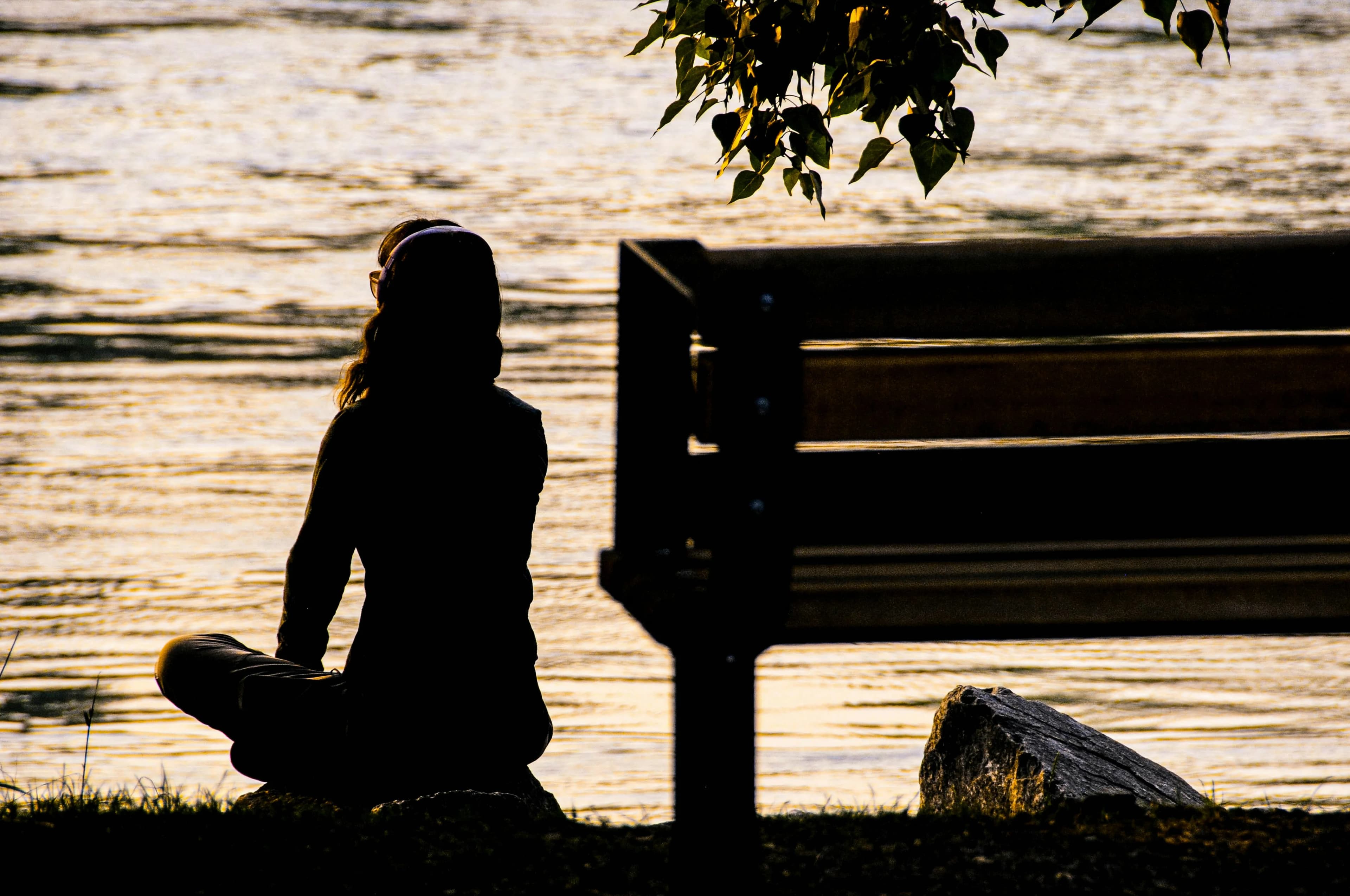
Is Your Need for Solitude Inherited or shaped by your experiences?
Some people thrive in bustling households, whilst others need regular periods of quiet solitude to feel their best. This intentional craving for restorative solitary tranquility is quite different to a negative feeling of 'loneliness', which can be isolating and beyond your control. If you've ever wondered if feeling this need to be alone sometimes is simply 'who you are' or something shaped by your childhood and later social experiences, you're in good company. Scientists have been exploring this very question, and the answer turns out to be fascinatingly complex.

The genetic piece of the puzzle
Research suggests that our need for solitude may indeed have a genetic component. A landmark 2017 study published in Nature Genetics examined data from over 450,000 people and identified genetic variants associated with social behaviour, including preferences for solitude. The research found that certain genes influence neurotransmitter systems—particularly dopamine and serotonin—which affect how we respond to social interaction versus time alone.
Interestingly, twin studies have long provided evidence for the heritability of personality traits linked to solitude preferences. Research published in the Journal of Personality found that identical twins (who share 100% of their DNA) show more similar preferences for alone time than fraternal twins (who share only 50% of their DNA), even when raised in the same household. This suggests that genetics play a meaningful role in determining whether we're naturally inclined towards solitude or socialising.
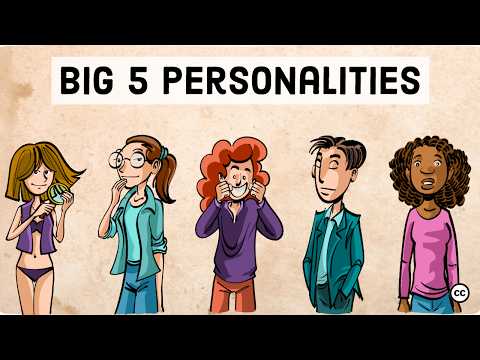
The Big Five personality trait of introversion-extraversion appears to be roughly 40-60% heritable, according to various studies. Since introverts typically require more solitude to recharge their energy, this genetic influence on personality directly affects our relationship with sociability and alone time.
How family and upbringing shape our solitude needs
Whilst genetics provide a foundation, our childhood experiences significantly influence how we relate to solitude. Children who grow up in chaotic or overwhelming environments may develop a stronger need for alone time as a coping mechanism. Conversely, those raised in quieter households might feel more comfortable with solitude simply because it's familiar.
Psychologist Dr Virginia Thomas, in research published in the Journal of Adolescence, found that parenting styles impact how children view alone time. Unsurprisingly, authoritative parents who encourage independence whilst providing emotional support tend to raise children who have a healthy relationship with solitude—viewing it as restorative rather than isolating.
Family attitudes towards privacy and personal space also matter enormously. In cultures and families where spending time alone is normalised and respected, children learn that solitude is acceptable and even beneficial. However, in households where alone time is viewed with suspicion or concern, children may develop guilt or anxiety around their need for solitude.
The neurological dimension
Recent neuroscience research adds another layer to this discussion. Brain imaging studies reveal that people differ in how their reward centres respond to social interaction. Some individuals' brains release more dopamine during social activities, making them naturally seek out company. Others experience less neural reward from socialising and may find solitude more satisfying.
A 2020 study from the University of Reading found that people's responses to solitude activate different brain regions depending on whether they view alone time positively or negatively. Those who embrace solitude show increased activity in areas associated with self-reflection and emotional regulation, whilst those who fear it show heightened activity in regions linked to social pain and rejection.

The verdict: nature and nurture working together
So, is the need for solitude inherited or learned? The scientific consensus points to both. We inherit genetic predispositions that influence our baseline comfort with alone time, but our experiences—particularly during childhood—shape how these predispositions express themselves.
It is a little like musical ability. Some people are born with genetic advantages for pitch recognition and rhythm, but without exposure to music and opportunities to practise, that potential remains undeveloped. Similarly, someone might have a genetic tendency towards needing solitude, but their family environment determines whether they view this need as healthy and normal or something to suppress.
Importantly, researchers emphasise that neither preference is better or worse. Both solitude and social connection in healthy measure, serve important psychological functions. The key is understanding your own needs and creating a living situation that honours them.
Finding an ideal balance in your home life
Understanding whether you're naturally inclined towards solitude or company—and why—can be incredibly valuable when making decisions about how you live. Some people flourish in bustling shared households with constant interaction, whilst others need quiet spaces and predictable alone time.
The beauty of modern homesharing arrangements is that people commit to interaction and help, but they are customised to suit individual preferences. Whether you're someone who inherited a love of lively social environments or learned to value peaceful solitude growing up, finding compatible housemates who respect and adapt to your needs makes all the difference.

Conclusion
Our need for solitude emerges from a complex interplay between our genetic inheritance and our lived experiences. Neither factor alone determines our relationship with the need for alone time—instead, they work together to shape our preferences and comfort levels. By understanding these influences, we can make more informed choices about our living arrangements and create shared environments where we truly thrive.
If you're looking for a shared living arrangement that respects your individual needs—whether that's companionship, practical support, or simply compatible housemates who understand your preferences—explore how hapipod connects people seeking harmonious, flexible homesharing at hapipod.com.
Ready to find your homeshare?
Join thousands of hosts and lodgers building meaningful connections across the UK.
Get started free