
Old Dogs Can Learn New Tricks! We consider Some of the Best Skills to Master in Later Life in Music, Languages & Sport
The enduring popularity of Strictly Come Dancing has shown us that learning new skills in later life isn't just possible - it's genuinely transformative. Week after week, we watch celebrities in their 40s, 50s, 60s and beyond master intricate dance routines, proving that age is no barrier to acquiring impressive new abilities. This phenomenon has inspired many of us to wonder: what other skills might be surprisingly achievable and enjoyable to learn in mid and later life?
Fortunately, research consistently shows that our brains remain remarkably plastic well into our later years. Learning new skills can boost cognitive function, enhance wellbeing, and open doors to vibrant new communities. Whether you're looking to pick up an instrument, learn a language, or take up a sport, there are brilliant options that offer the perfect blend of accessibility and satisfaction.
Musical Skills That Strike the Right Chord
Ukulele tops the list for adult learners, and for good reason. With just four strings and a gentle learning curve, most people can strum recognisable songs within weeks. The ukulele community is famously welcoming, with local groups meeting in community centres, pubs and online. The instrument itself is affordable and portable, making practice easy whether you're at home or away.
3 Easy Ukulele Songs to Impress Your Friends
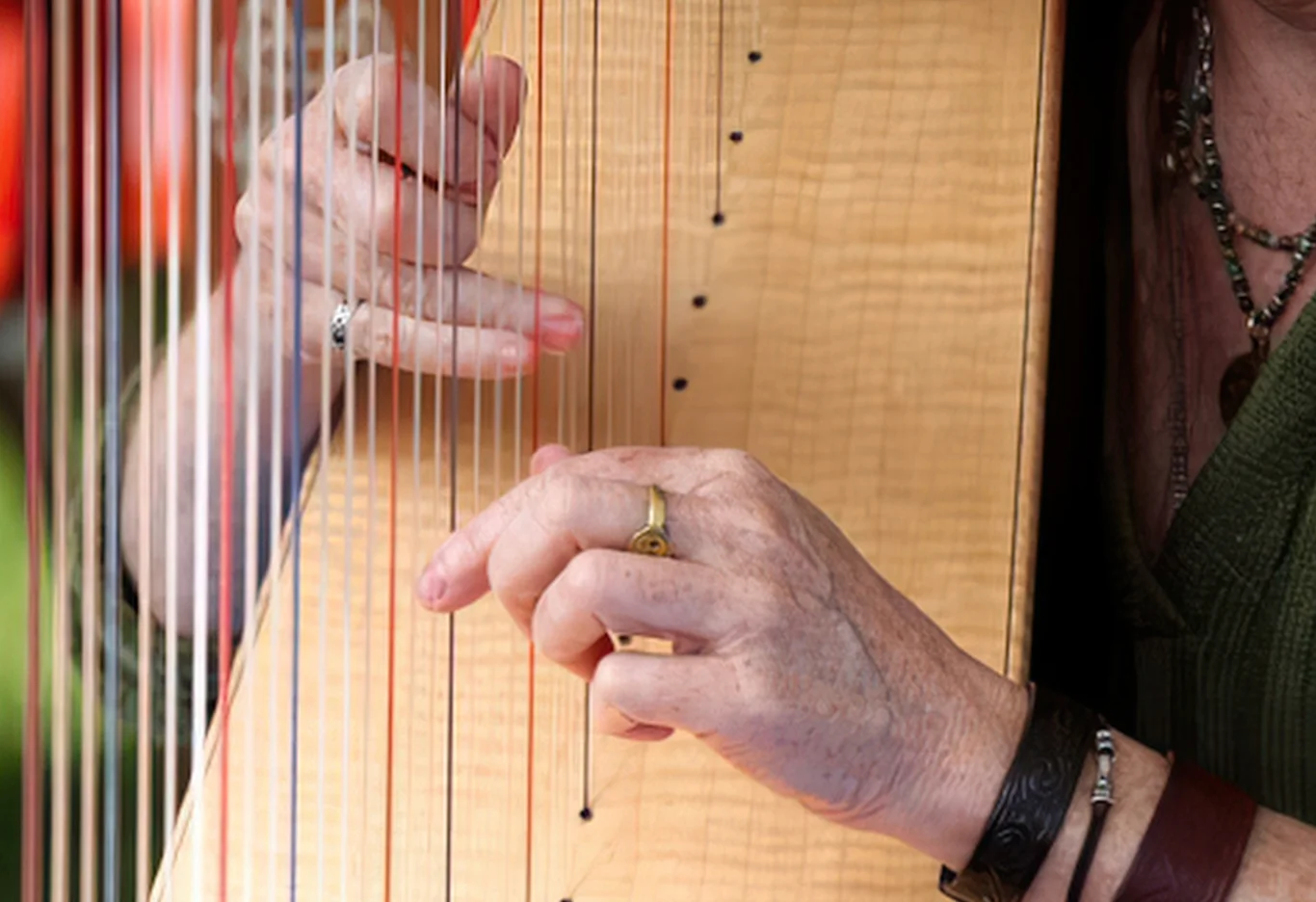
The harp is also incredibly popular among adult beginners. Many instructors report that adults and retirees make up to half of their students. Harps are expensive investments but they can be rented for the purpose of learning, and it is frequently noted that the harp is one of the most accessible instruments to learn later in life. Beginners are often playing simple tunes and satisfying glissandos within their very first lesson. Many older learners feel they bring more emotional depth, intellectual curiosity, and patience to their practice than a young child would
Learning Harp From week 1 to week 6
Piano is another excellent choice for mid-life learners. Modern teaching methods, including apps and online tutorials, make learning more accessible than ever. Unlike childhood lessons focused on grades and recitals, adult learners can progress at their own pace, focusing on pieces they genuinely love. Research from the University of South Florida found that just six months of piano lessons in adults aged 60-85 significantly improved memory, verbal fluency and information processing.
Singing requires no equipment investment and offers tremendous health benefits. Joining a choir provides instant community whilst improving breathing, posture and mental health. According to research by the Sidney De Haan Research Centre for Arts and Health, regular singing can reduce feelings of loneliness and improve wellbeing in older adults - with 60% of choir members reporting improved mental health.
Languages Within Reach
Learning a new language in later life is far more achievable than many assume. The key is choosing a language connected to your interests. Love Mediterranean holidays? Spanish or Italian makes perfect sense. Fascinated by Oriental culture? Perhaps Japanese or Mandarin might spark more enthusiasm. Apps like Duolingo offer free daily practice, whilst local community centres often run affordable conversation groups.
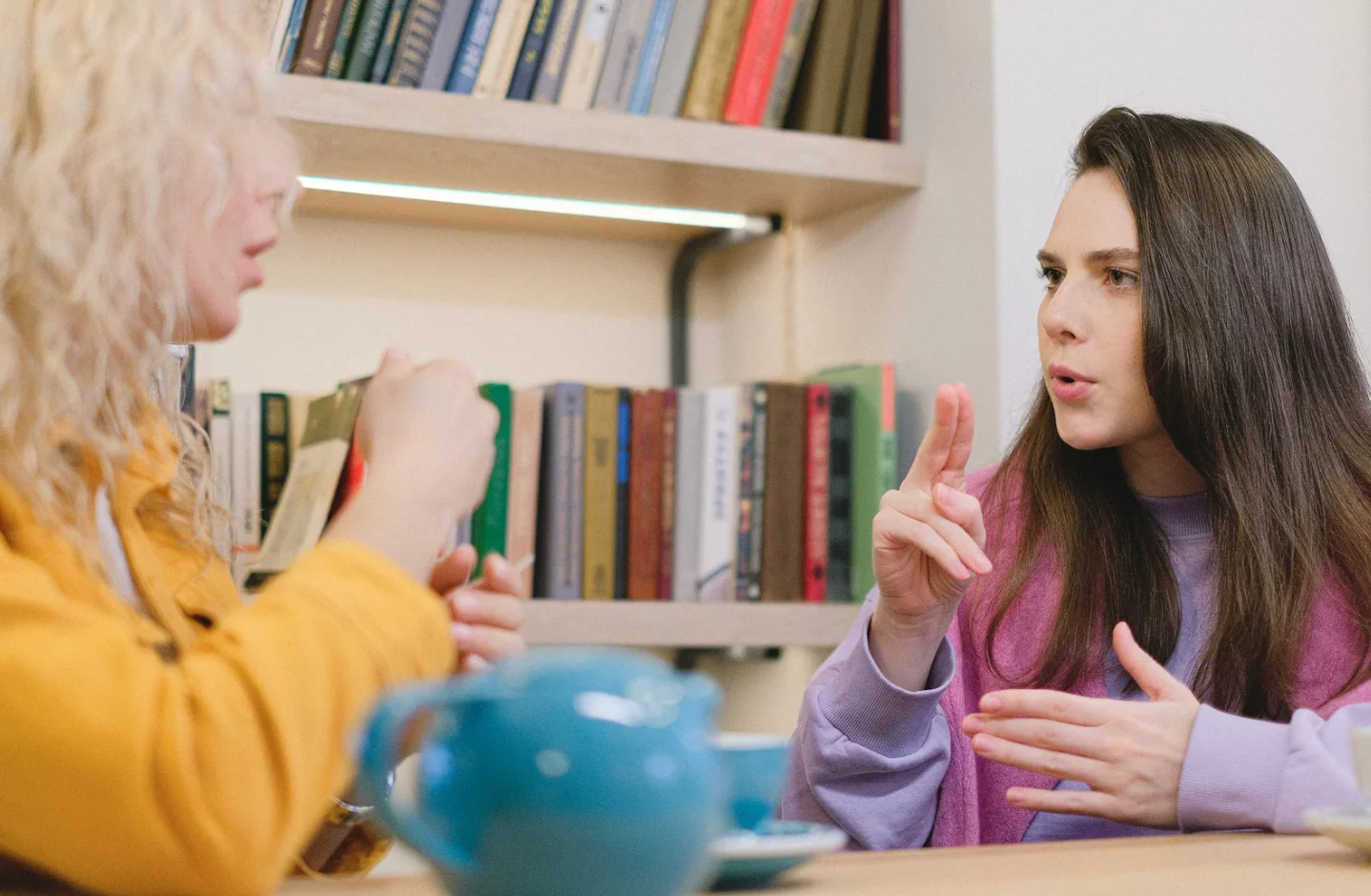
British Sign Language (BSL) deserves special mention. It's increasingly popular, with courses widely available, and offers the profound reward of opening communication with the deaf community. The visual and gestural nature of BSL also appeals to different learning styles.
A 2017 study published in Annals of Neurology found that bilingual individuals, even those who learned their second language in adulthood, showed better cognitive reserve and delayed onset of dementia symptoms compared to monolinguals.
Sports and Physical Activities Worth Pursuing
Swimming is often considered the perfect exercise for later life, and learning to improve your technique - or even learning to swim properly for the first time - is wonderfully achievable. It's low-impact, works the whole body, and many pools offer adult-only sessions and specialist coaching for mature learners.
Yoga and Pilates are accessible to almost everyone, regardless of starting fitness level. Both practices improve flexibility, strength and balance whilst reducing stress. Classes specifically for older adults ensure a supportive environment where everyone progresses at their own pace. According to Age UK, regular gentle exercise like yoga can reduce the risk of falls by up to 30%.

Tai Chi combines gentle movement with meditation, offering physical and mental benefits. Often described as 'meditation in motion', it's particularly good for balance and coordination. Research from the British Journal of Sports Medicine shows that Tai Chi can improve balance and reduce falls in older adults by up to 43%.
Ballroom and Latin dancing, inspired by Strictly itself, remain hugely popular. Local dance schools actively welcome complete beginners, and the social aspect is as valuable as the physical exercise. Dancing combines cardiovascular exercise with cognitive challenge (remembering steps and sequences), making it excellent for both body and brain.
Art
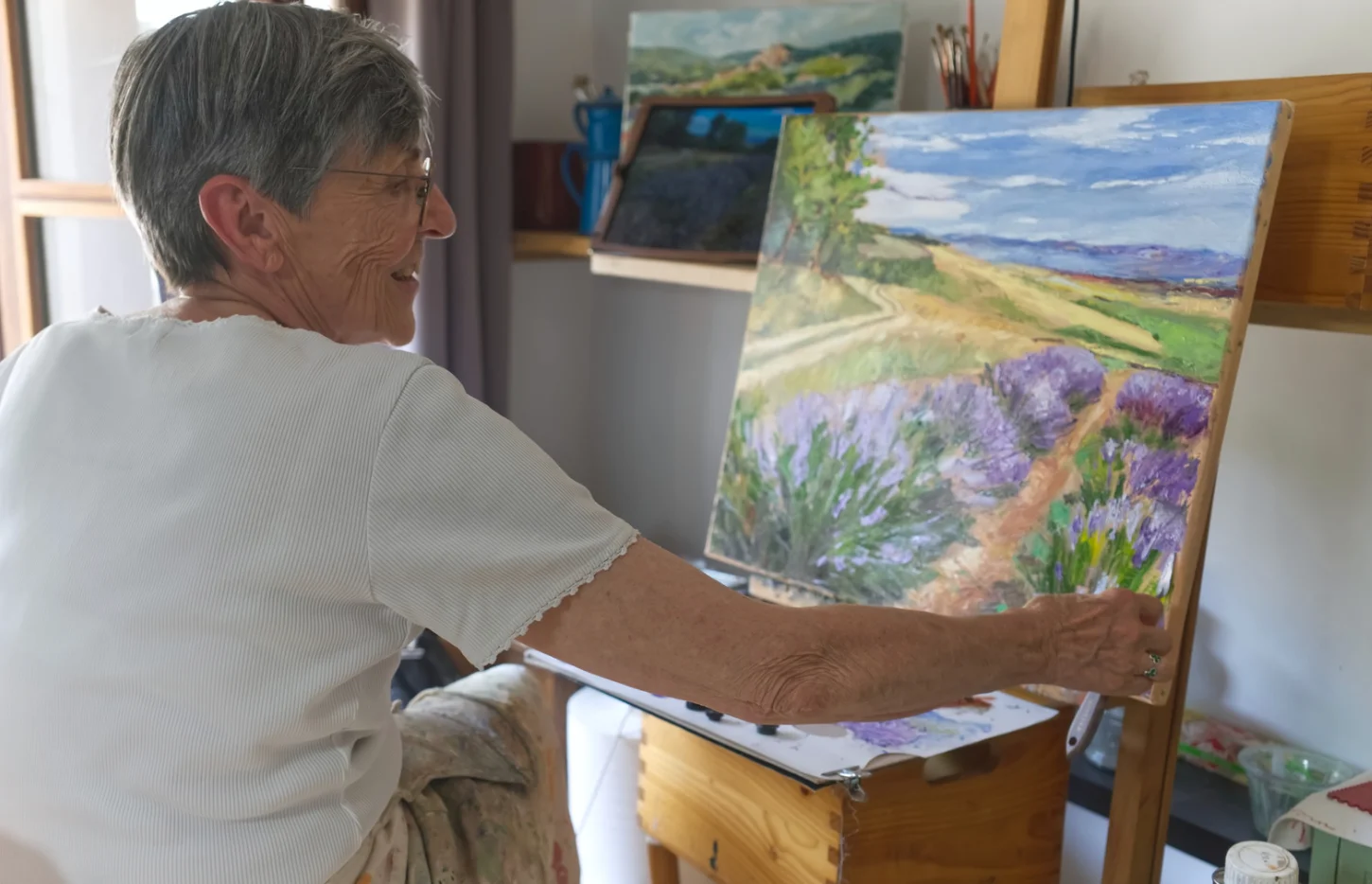
Learning art later in life is uniquely rewarding because it combines rich emotional depth with proven neurological benefits. Adults can bypass the perfectionism of youth to unlock neuroplasticity, lower stress levels, and enjoy a fulfilling outlet for self-expression. Whether building on inherited talents or navigating a new creative pathway, the array of art and craft to choose has something for every taste and talent.
Watercolour Painting is highly accessible and portable, watercolours are perfect for beginners. The quick learning curve and rewarding results are ideal for developing a consistent practice without the mess of oil.
Ceramics and Pottery, working on a wheel or hand-building offers therapeutic, tactile benefits. It improves fine motor skills and provides functional, tangible pieces.
Sculpture and Casting. Techniques such as plaster casting, clay life sculpture, and wax modelling focus on spatial awareness and three-dimensional problem-solving, all of which offer a relaxing and therapeutic way to spend some time, gain neurological benefits, and possibly have something to show off at the end!
Making Learning Stick
Whatever skill you choose, success in later-life learning comes down to a few key factors. Select something you're genuinely excited about rather than what you think you should learn, and unlock your latent potential! Find a community - whether online or in-person - as social connection makes learning more enjoyable and sustainable. The best policy is to set realistic expectations and celebrate small progress rather than comparing yourself to younger learners or professionals.
Modern homeshare offers a great avenue for learning new skills. People look for someone with a particular talent who can teach them something new - whether it be honing a language or perfecting your yoga technique. Skill-sharing and mutual learning is one of the big benefits of shared living. If not one person sharing their talent and expertise, it may be two people discovering a shared interest in learning something entirely new together.
Conclusion
Strictly Come Dancing has shown millions that learning complex new skills in later life isn't just possible - it can be joyful, social and genuinely transformative. Whether you're drawn to the ukulele's cheerful simplicity, the cognitive workout of learning Spanish, or the graceful movements of Tai Chi, there's never been a better time to embrace learning something new.
If you're looking for ways to enhance your home life experience whilst managing costs, hapipod connects people with spare rooms who seek interesting company, with those wanting affordable accommodation who are happy to offer some of their time. It's an opportunity to find someone who shares your interests, exchange perspectives and learn new skills, whilst making life more affordable and enjoyable for everyone involved.
Ready to find your homeshare?
Join thousands of hosts and lodgers building meaningful connections across the UK.
Get started free