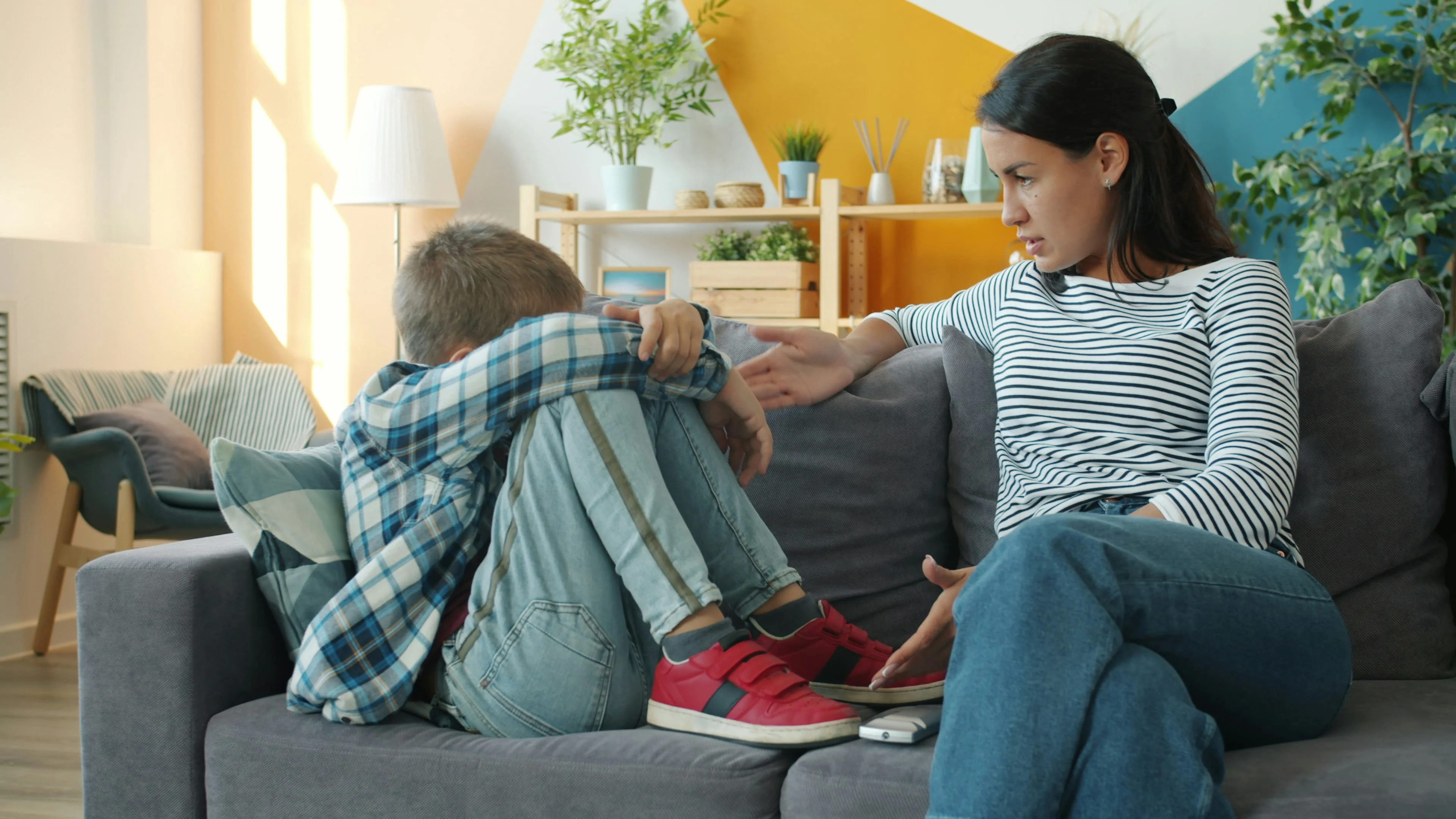
Solo Decision-Making: The Psychological Toll of Being the Only Adult in the Room
Every day, single parents make hundreds of decisions entirely alone. Should I let them watch another episode? Is that cough serious enough for the doctor? Can we afford the school trip? What's for dinner?
The relentless stream of choices, from trivial to life-altering, adds up to something researchers describe more broadly as "decision fatigue" — though it's worth noting this is a genuinely debated area of psychology, with mixed evidence on exactly how and why it happens. What's much better established is what sits underneath it for single parents - making those decisions with no one to share or support them. Sometimes you just don't want to be the only adult in the room.
The UK Numbers
There are 3.2 million lone-parent families in the UK (ONS, 2024) — about 16% of all families. Of these, roughly 2 million include dependent children, and lone-parent families make up close to one in four of all UK families with dependent children still at home. The vast majority — around five in six — are headed by mothers, though the proportion of single fathers has been slowly rising.

The Real Weight: Going It Alone
A large 2022 Swedish population study of nearly 5,750 parents found single parents were more than twice as likely as partnered parents to experience severe psychological distress. Crucially, the researchers found that economic difficulty and lack of social support together explained the majority of that gap — around 64–75% of it. In other words, it isn't single parenthood itself driving the distress so much as the absence of financial and emotional backup that often comes with it.
This lines up with what social psychologists say more broadly about connection. Emma Seppälä, Science Director at Stanford's Center for Compassion and Altruism Research and Education, has written extensively on the evidence that socially connected people tend to have better self-esteem, greater empathy, and stronger self-regulation than isolated people. Logically, this attention to wellbeing and self-development will inevitably contribute to better parenting.
In her TEDx talk, The Power & Science of Social Connection, she makes the point that social connection is measured less by how many people are in someone's life than by whether they have even one or two people they feel able to turn to. For a single parent, that number can very easily sit at zero — not through any lack of friends or family in the abstract, but because none of them are actually there, in the house, at the moment a decision is required, or a supportive opinion is needed.
See also: How Homeshare Can Be a Lifeline for Single Parents
The Sanity-Check Gap
Not every decision keeps a parent up at night — but the grey-area ones often do:
- Is this behaviour normal, or should I be concerned?
- Am I being too strict, or too lenient?
- Can I really change jobs right now?
- Is tutoring worth the cost?
These are the types of questions that benefit from a second, respected opinion — it doesn't have to be someone who knows your family inside out, just someone who shares your values and understands the context, which they should if they are a constant presence. Without that, many single parents fall back on forums, distant friends, or their own gut instinct when they'd really rather have a sounding board.
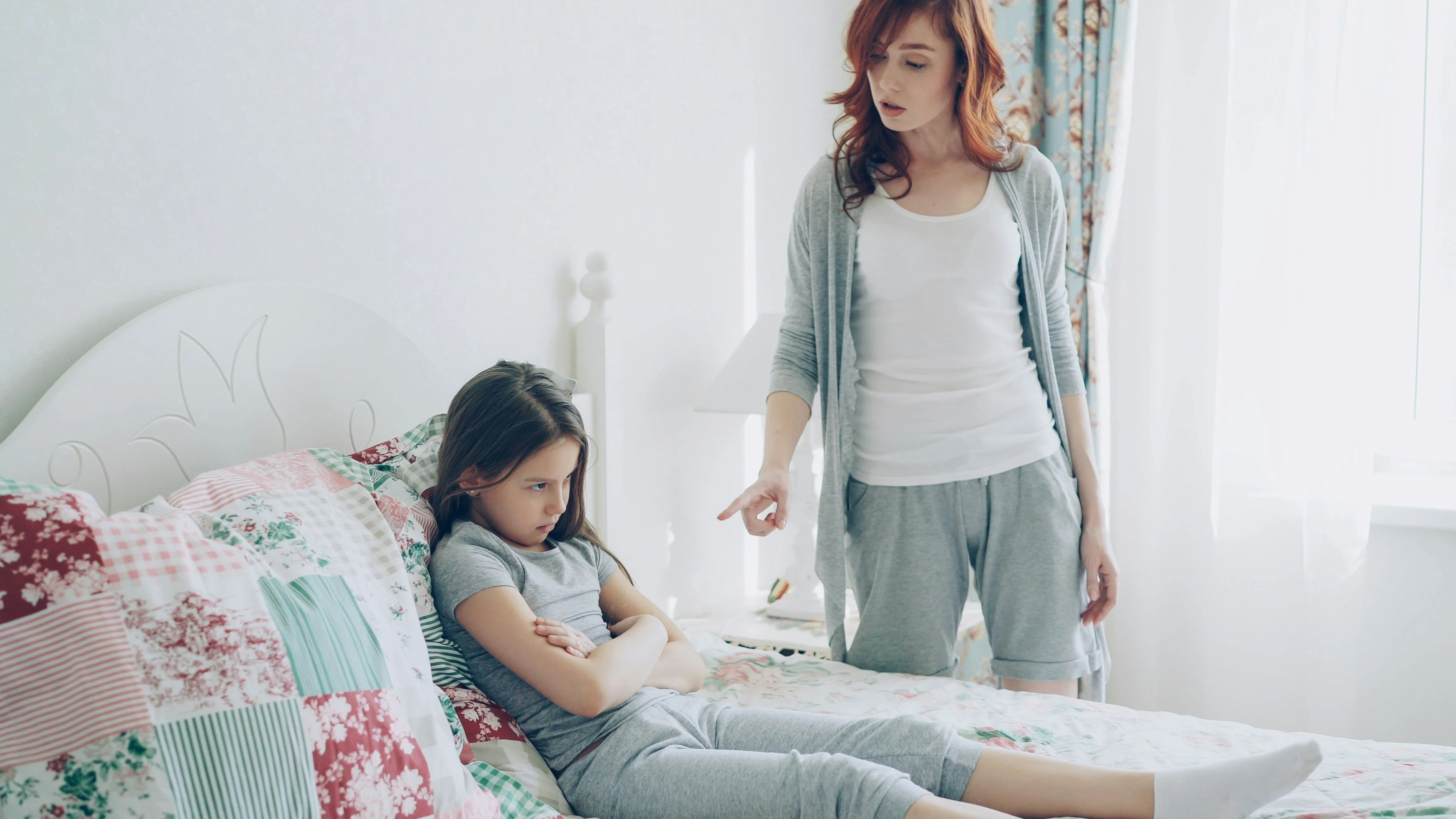
In addition, kids can be verbally cruel in an argument, especially in adolescence, a time when they know how to press your buttons and trigger reactions to greatest effect. Reasoned debate can swiftly escalate into something much bigger and less controlled. There are many confrontations in which a parent can be left reeling, feeling emotionally bruised, and questioning their judgement.
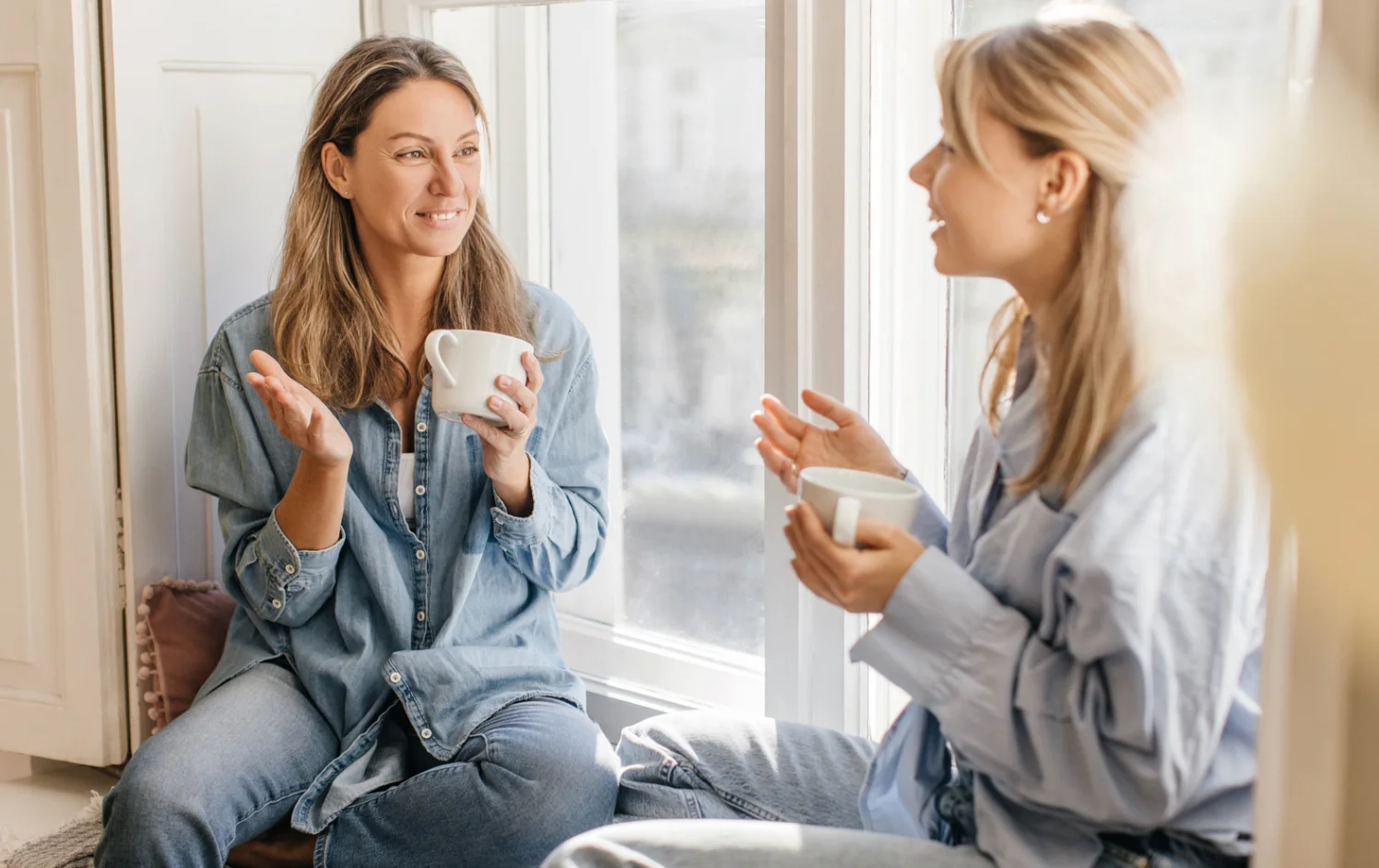
What makes this particularly hard to manage is timing. A friend on the phone at 9pm, once the kids are in bed, can offer sympathy — but they weren't in the house when the argument happened, and by the time they hear about it, the moment for useful input or support has usually passed.
Sometimes it's about having someone present in the house at the time, not to get involved, but rather to discreetly provide an alternative perspective if you pop your head around their door. And sometimes it's about having a person there in the aftermath of a tricky decision to provide reassurance that you've done the "right" thing. This is a different, and much narrower, kind of support to find. Extended family can sometimes fill it, but only if they live close enough and have the time and inclination to be involved daily, which for a great many single parents simply isn't the case.
It's also worth noting this gap tends to widen, not narrow, as children get older. Toddler-era decisions are often practical and low-stakes; teenage-era decisions — about parties, relationships, screen time, mental health — are higher-stakes and harder to get "right" alone, at precisely the point when a parent's own support network has often thinned out further through separation, bereavement, or simply the passage of time.
The Value of Another Trusted Adult
What many single parents need isn't necessarily another parent — it's another steady adult presence in the household. Research on multigenerational and multi-adult households (for example, the long-running academic review by sociologists Keene and Batson, and more recent EU-wide analysis of family living arrangements) consistently finds that children in households with an additional resident adult — a grandparent, adult sibling, or other trusted adult — tend to face lower risk of poverty and have access to more shared caregiving capacity. The evidence is strongest on the practical and financial side; the wellbeing benefits for the parent are logically connected though not well studied, but the psychological function such a person can serve is well understood in more broadly in terms of these elements:
- Reality testing — "Does this seem reasonable to you?"
- Emotional support — someone to say "I'm struggling with this."
- Practical perspective — a second set of eyes and ideas.
- Shared vigilance — noticing things a stretched parent might miss.
- Validation — "You're doing a great job."
For many single parents, this kind of support isn't available through extended family, whether because of distance, strained relationships, or family members who are simply too far from the daily rhythm of the household to help in the moment.
See also Finding the Right Homeshare Lodger to Help with Your Children
Conclusion
Single parents undertake an enormous number of decisions with no one to share them, and the evidence is clear that the isolation and financial strain behind that — more than the sheer volume of choices itself — is what drives poorer mental health. Having another steady adult presence in the household to share the load isn't just a nice idea. On the evidence, it's a meaningful buffer against the very thing that makes solo parenting hardest.
This is where thoughtful homesharing can make a real difference. Homeshare matching site hapipod connects single parents with compatible lodgers who become part of the household fabric - adults who match your values, lifestyle and household, who can offer that second opinion, share in daily life, and help lighten the mental and financial load. It's about creating homes where you don't have to be the only adult in the room. Discover how hapipod could help you build a more supportive home by visiting hapipod.com.
See also Mutually Beneficial Homeshare The New AU Pairing - In-House Help for All types of Household
Ready to find your homeshare?
Join thousands of hosts and lodgers building meaningful connections across the UK.
Get started free