
The Asking-for-Help Problem: Why Capable People Struggle
If you've successfully managed a household, raised children, or navigated decades of independent living, there's a good chance you've become exceptionally self-reliant. You've handled crises, solved problems, and kept everything running smoothly, often without much support. But here's the paradox: the more capable you become, the harder it gets to ask for or accept help when you actually need it.
This isn't about weakness or stubbornness. It's about identity, pride, and deeply ingrained patterns that served you well for years but may now be quietly limiting your life in ways you haven't fully recognised. National figures show 8.6 million adults in the UK live alone, that's almost a third of all households, and roughly half are aged over 65. This suggests many people in mid and later life will be struggling unnecessarily.
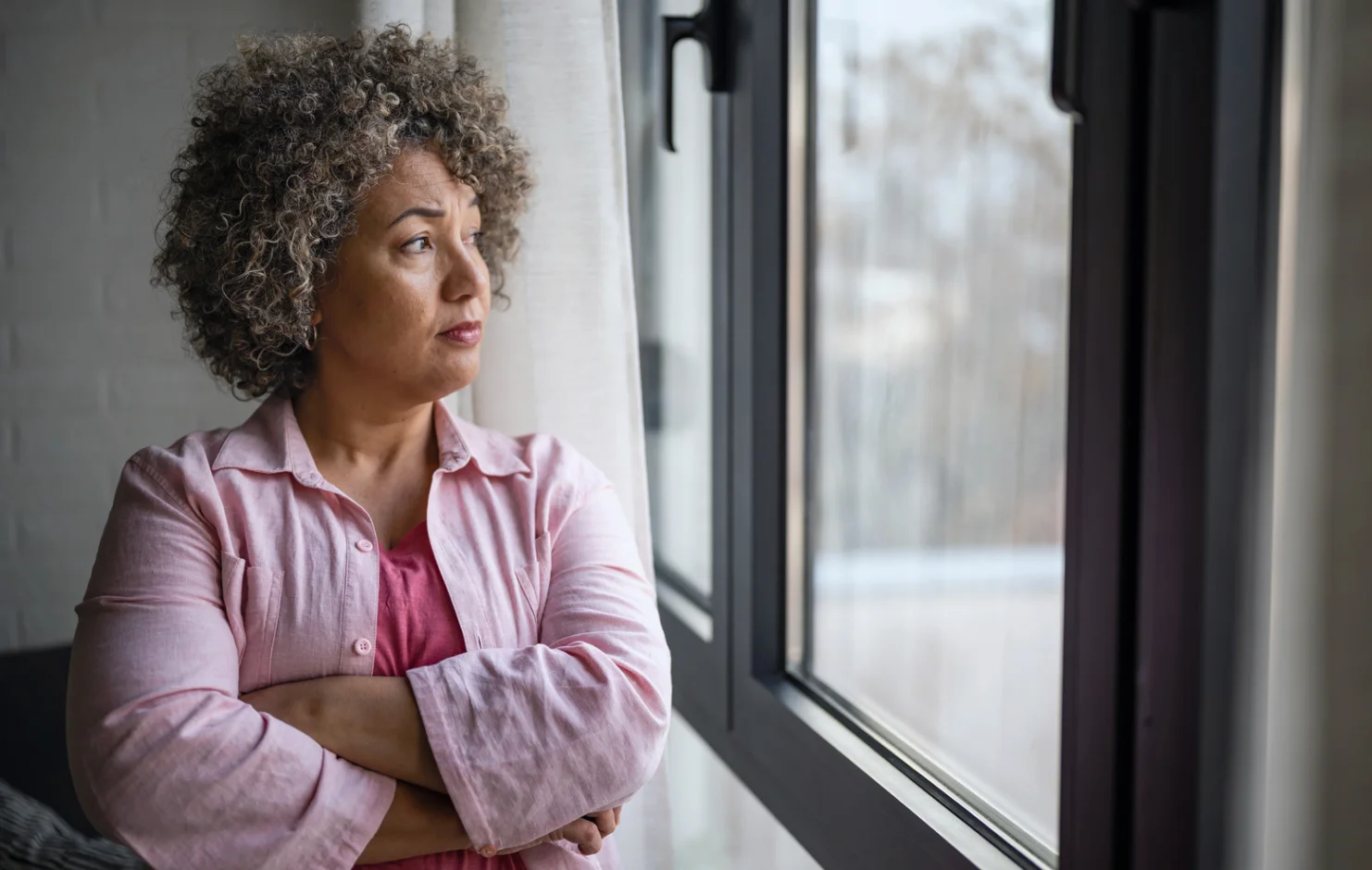
The Competence Trap
When you've spent years being the capable one - the person everyone else turned to - asking for help can feel like admitting defeat. Single parents who managed work, childcare, and household maintenance alone often describe feeling like they'd be betraying their hard-won independence by reaching out.
A national poll of 2,000 UK adults revealed that people over 65 strongly prefer to maintain independence and go it alone, with internalised pride and the fear of "being a bother" acting as major roadblocks. Research by Independent Age and Age UK notes that many older individuals refuse outside help or dismiss their increasing physical difficulties as a natural part of aging.
The problem isn't the self-reliance itself. It's what happens when that self-reliance becomes so rigid that it prevents you from accepting support that would genuinely improve your quality of life. You might struggle with heavy gardening but refuse to mention it. You might feel isolated but dismiss the idea of having someone around more regularly. You might find technology baffling but feel embarrassed to ask for help.
The same issue applies to younger age groups as well: competent people who've managed solo for many years develop what psychologists call "self-reliance schemas" - mental frameworks that equate independence with worth.

Young Entrepreneurs Forum: Psychology of People who Never Ask for Help
Why Asking Feels So Hard
Several psychological factors make asking for help particularly difficult for capable, independent people:
Identity threat: Your sense of self is built around being self-sufficient. Asking for help feels like dismantling part of who you are.
Vulnerability: Requesting support means acknowledging limitations, which can feel exposing and uncomfortable.
Reciprocity anxiety: You worry about being a burden or creating obligations you can't repay.
Loss of control: Letting someone else handle tasks means relinquishing the control you've carefully maintained.
Social conditioning: Particularly for those who raised families in the 1970s-90s, there was often an expectation that parents - especially mothers - should manage everything without complaint.
A 2022 study by the Co-op and the British Red Cross found that over 9 million adults in the UK are always or often lonely, with many citing difficulty maintaining connections and accepting support as contributing factors. The research highlighted that people who had previously been primary caregivers or household managers were particularly resistant to reversing those roles.
See also Younger Friends Help us Stay Youthful Says Diana Moran
How Resistance Shrinks Your World
When you can't ask for help, your life gradually contracts in subtle ways:
- You stop doing things you enjoy because they've become physically difficult
- You decline social invitations because you can't manage the logistics
- Your home becomes harder to maintain but you won't mention it
- You feel increasingly isolated but dismiss it as "just getting older"
- You abandon hobbies that require assistance or collaboration
- You experience growing anxiety about future challenges
The irony is profound: the very independence you're protecting becomes increasingly fragile because you won't shore it up with support.
See also A Home With a Heart: A Remedy for Loneliness in All Stage of Life
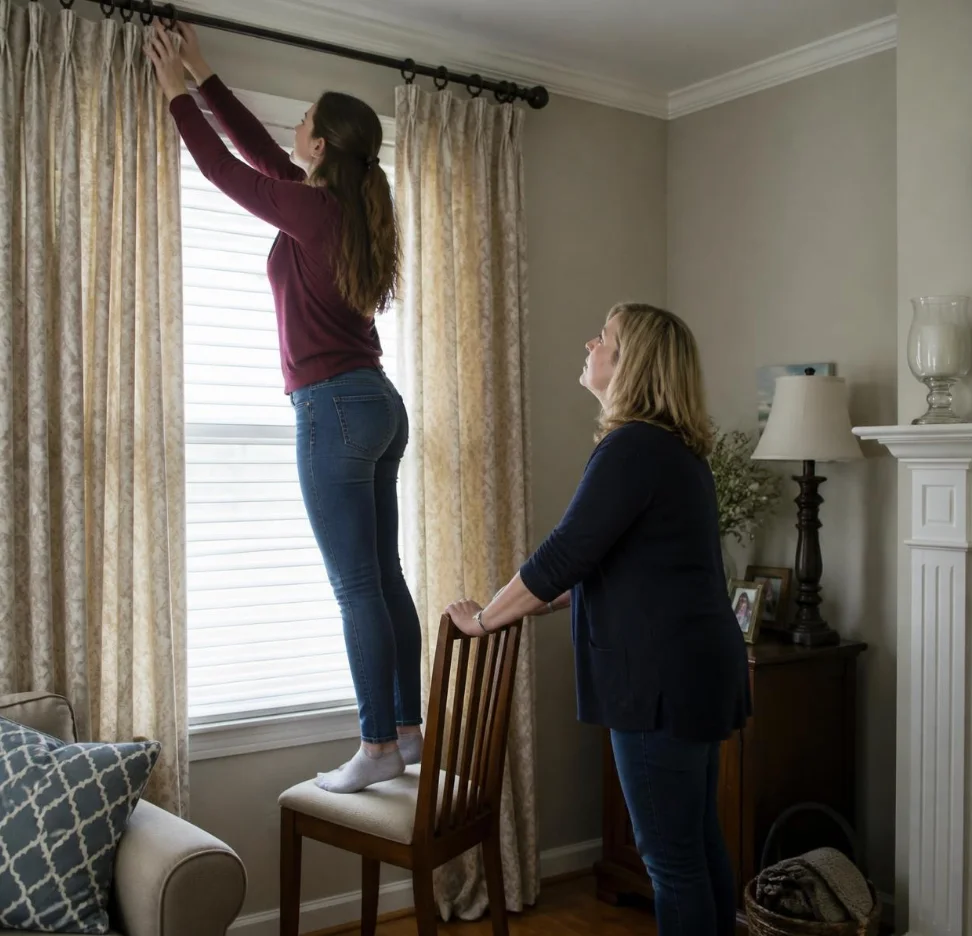
Reframing Help Can Be Life-Expanding
What if you see asking for help not to be about losing independence but about sustaining it? What if accepting support actually expanded your world rather than diminishing it?
Consider these shifts in perspective:
- Help with physically demanding tasks means you can continue enjoying the home you love
- Practical support means you can maintain the lifestyle you've built
- Making life easier in your current home means you can afford to stay independent rather than downsizing or moving
- Having someone around to help means you can try new things rather than limiting yourself to what you can manage alone
- Welcoming support means you're teaching someone else skills and knowledge you've accumulated
This isn't about dependency. It's about intelligent interdependence - recognising that humans thrive in mutually supportive relationships at every age and stage.
The Practical Path Forward
Moving past the asking-for-help problem doesn't require a personality transplant. It requires small, practical steps:
- Start small: Ask for help with one specific small task rather than wholesale support
- Reframe it as exchange: Focus on arrangements where both parties benefit
- Acknowledge the discomfort: Recognise that feeling awkward doesn't mean you're doing something wrong
- Test incrementally: Try temporary arrangements before committing to anything larger or more permanent
- Focus on outcomes: Keep your attention on the improved quality of life, not the vulnerability of asking
See also Persuading Ageing Parents Why a Helpful Lodger Makes sense
Turning Help into Opportunity
The asking-for-help problem is particularly acute for people who've successfully managed households and families independently. But the cost of that resistance is real: a gradually shrinking world, increasing isolation, and the ironic erosion of the very independence you're trying to protect.
If you have a spare room and find yourself thinking "I'm fine, I don't need help" while simultaneously feeling the weight of solo household management, loneliness, or financial pressure, it might be worth considering a different approach. hapipod connects householders able to offer an affordable spare room to compatible lodgers who are happy to provide practical support and good company for a few hours each week. It's a matching site where you can search for someone who shares your interests and values, and who's lifestyle fits with yours.
It's not about admitting defeat - it's about intelligently enhancing your quality of life whilst enjoying interesting company and monthly income. Visit hapipod.com to learn more about how homesharing might expand rather than shrink your world.
Ready to find your homeshare?
Join thousands of hosts and lodgers building meaningful connections across the UK.
Get started free