
The Sandwich Generation's Hidden Cost: Reclaiming Your Headspace
If you're aged between 40 and 60, there's a good chance you're familiar with the peculiar exhaustion that comes from being needed by everyone - all the time. Your teenage children require lifts, emotional support, and help navigating their futures. Your elderly parents need assistance with shopping, appointments, and increasingly complex care needs. Meanwhile, somewhere in the middle, there's supposed to be you - except you've rather lost track of where that person went.
Welcome to the sandwich generation, where the hidden cost isn't just financial (though that's considerable). It's the complete erosion of personal capacity, the mental load that never lightens, and the gradual disappearance of any headspace for your own needs, interests, or wellbeing.
The Reality of Being Sandwiched
The statistics paint a stark picture. Carers Week reports polling results suggest that nearly half of people in the UK (45%) have provided unpaid care at some point - an estimated 24.8 million people. Research from the Office for National Statistics shows that adults aged 50-64 are the most likely age group to be providing unpaid care, with many juggling this alongside full-time employment. A significant proportion will be caring for elderly parents whilst still supporting their own children.
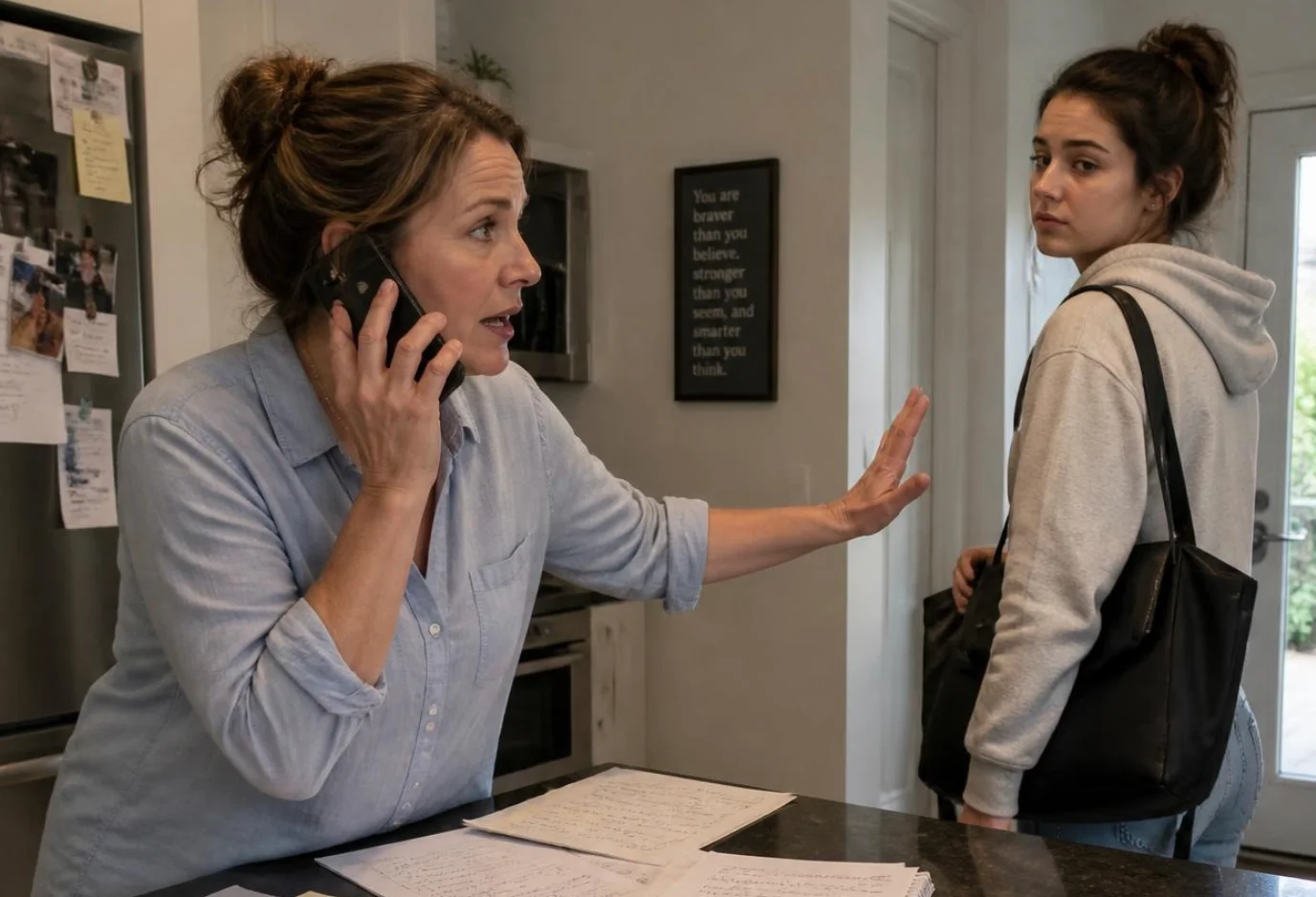
The Financial Burden
Many adults simultaneously supporting aging parents and dependent or adult children—can face heavy economic strain. This includes squeezed cash flow, halted retirement savings, and reduced career momentum, often leaving them financially vulnerable. Many with adult children at home find themselves footing the bill for daily expenses, mobile phones, healthcare, and vehicle insurance. On the other side, as life expectancies rise, senior parents start to require more medical care and eventualy assisted living which some need financial support with. Long-term care costs continue to soar, placing major strain on household budgets.
Even if only helping manage their home, rather than care, for senior parents, the responsibilities can sometimes mean that daily living, healthcare, and caregiving expenses take immediate priority, and individuals are sometimes compelled to pause or reduce their own pension and retirement savings.
See also The Maintenance Trap - When Your House Starts Owning You
The Emotional Toll
The mental load, however, is perhaps the most insidious aspect. It's not just the physical tasks - driving back and forth to 'help out' with a growing list of things, accompanying parents or children to medical appointments, preparing meals, managing medications, or helping with homework. It's the constant background processing - remembering when prescriptions need renewing, mentally mapping out who needs to be where and when, worrying that a lone parent is feeling isolated and and anticipating all problems before they arise. Your brain becomes a perpetual list-making machine, leaving precious little bandwidth for anything else.
For those who do have responsibility for caring, Carers UK reports that 72% of carers have suffered mental ill health as a result, with stress, anxiety, and depression being common experiences. When you're caring for both generations, that pressure multiplies.
The Tasks That Steal Your Peace - In Your Own Home and Your Parents'
Some responsibilities cannot be delegated - emotional support, medical decisions, and all the parenting judgement calls. But many of the practical tasks that consume your days fall into a different category - jobs that simply need doing.
- Weekly shopping trips that eat entire Saturday mornings
- Dog walking that has to happen regardless of your schedule
- Garden maintenance in your own home and possibly your parents' that you have no time or budget for
- Basic IT troubleshooting for parents baffled by technology
- Household repairs you keep meaning to address in both homes
- Simply being present so a parent isn't alone all day
Each task might seem small individually, but collectively they create an overwhelming to-do list that colonises every spare moment. You find yourself doing DIY at your father's house when you desperately need a Sunday afternoon to yourself. You're driving across town three evenings a week when you'd rather be having a proper conversation with your own child who's about to face a new chapter of their own.

The Cost of Having No Capacity
When there's no headspace left, everything suffers. Your own health appointments get cancelled and rescheduled repeatedly. The children who's emotional needs are vast, don't see enough of you. That hobby you loved becomes a distant memory. Friendships fade through lack of time and energy. Your relationship with your partner becomes purely functional - two people managing logistics rather than genuinely connecting.
The Joseph Rowntree Foundation found that unpaid carers are more likely to experience financial difficulties, with many reducing working hours or leaving employment altogether to manage caring responsibilities. The impact ripples through every aspect of life, from pension contributions to career progression to simple day-to-day quality of life.
Outsourcing as a Lifeline, Not a Luxury
Here's the shift in thinking that changes everything: outsourcing practical help isn't an indulgence - it's essential maintenance for your mental health and family wellbeing.
You don't need someone to take over the caring responsibilities you want to fulfil. You need someone to handle the time-consuming practical tasks that prevent you from being fully present when it matters. Someone to:
- Walk the dog so you can actually sit and chat with whoever needs your attention
- Sort out your or your parents' technology issues so you're not spending another evening troubleshooting
- Do the weekly shopping run or simply get the extras you didn't forsee
- Tackle yours and your parents' garden maintenance
- Help with niggling DIY at either home
- Provide companionship to an elderly parent so they're not isolated when you can't be there
See also 8 Myths About Homesharing Debunked

Making Help Affordable and Flexible
The traditional barrier has always been cost. Professional care services and domestic help through specialist agencies can be prohibitively expensive, especially when you're already stretched financially. However, modern homesharing arrangements offer a great, practical alternative that many sandwich generation households are discovering.
By welcoming a lodger who's happy to contribute a few hours of practical help and companionship each week, you create an arrangement that benefits everyone-whether it's a lodger in your own spare room or at your parents' home - or both! You or they gain company and assistance with tasks as well as a healthy extra income of up to £650 per month. Either way, you release precious hours and mental capacity as well as gaining a much needed financial boost. Meantime the lodger enjoys comfortable, affordable accommodation in a welcoming home.
These arrangements are entirely flexible - customised to suit your specific needs. Perhaps you need someone who can occasionally drive your parent to appointments. Maybe you'd value help with garden maintenance or dog walking. Or maybe the greatest gift would simply be knowing someone's around to provide a lone parent with company and keep an eye on things, particularly overnight. With platforms like hapipod, the UK's only homeshare matching site, you list your homeshare opportunity, browse lodger profiles and can select people by their skills and experience as well as their personality and interests. All members are ID verified and detailed guidance is provided on how to do thorough background checks.
See also Persuading Ageing Parents Why a Helpful Lodger Makes Sense
Reclaiming Yourself
When you offload even a handful of practical tasks, something remarkable happens. The mental load lifts. You rediscover the capacity to think about something other than logistics. You remember what it feels like to read a book, meet a friend, or simply sit quietly with a cup of tea.
You become a better listener because you're not perpetually exhausted. Your relationships with both your children and your parents improve because you have the emotional bandwidth to be truly present. You stop existing in survival mode and start actually living again.

Conclusion
Being part of the sandwich generation is one of the best but also the most challenging life stages many of us will face. Whilst you cannot eliminate the responsibilities, you can change how you manage them. By accepting practical help with everyday tasks, you buy back the most precious resource of all - headspace to care for those you love whilst also caring for yourself.
If you're a householder with a spare room and need flexible practical help, or you're looking for affordable accommodation and happy to lend a hand, discover how hapipod connects compatible people in mutually beneficial homesharing arrangements that make life easier, happier, and more sustainable for everyone involved.
Ready to find your homeshare?
Join thousands of hosts and lodgers building meaningful connections across the UK.
Get started free