
Why Board Games Face-to-Face Beat Digital Hands Down! The Wellbeing Power of In Person Play
There's something magical about sitting across from someone, contemplating a chess manoeuvre, shuffling cards or rolling dice, and engaging in competition with friendly adversaries. Whilst digital gaming has exploded in popularity, research increasingly shows that traditional board games played in person offer unique wellbeing benefits that screen-based alternatives simply cannot replicate. In our increasingly connected yet paradoxically isolated world, the humble board game might just be the antidote we need.
The Science Behind Face-to-Face Play
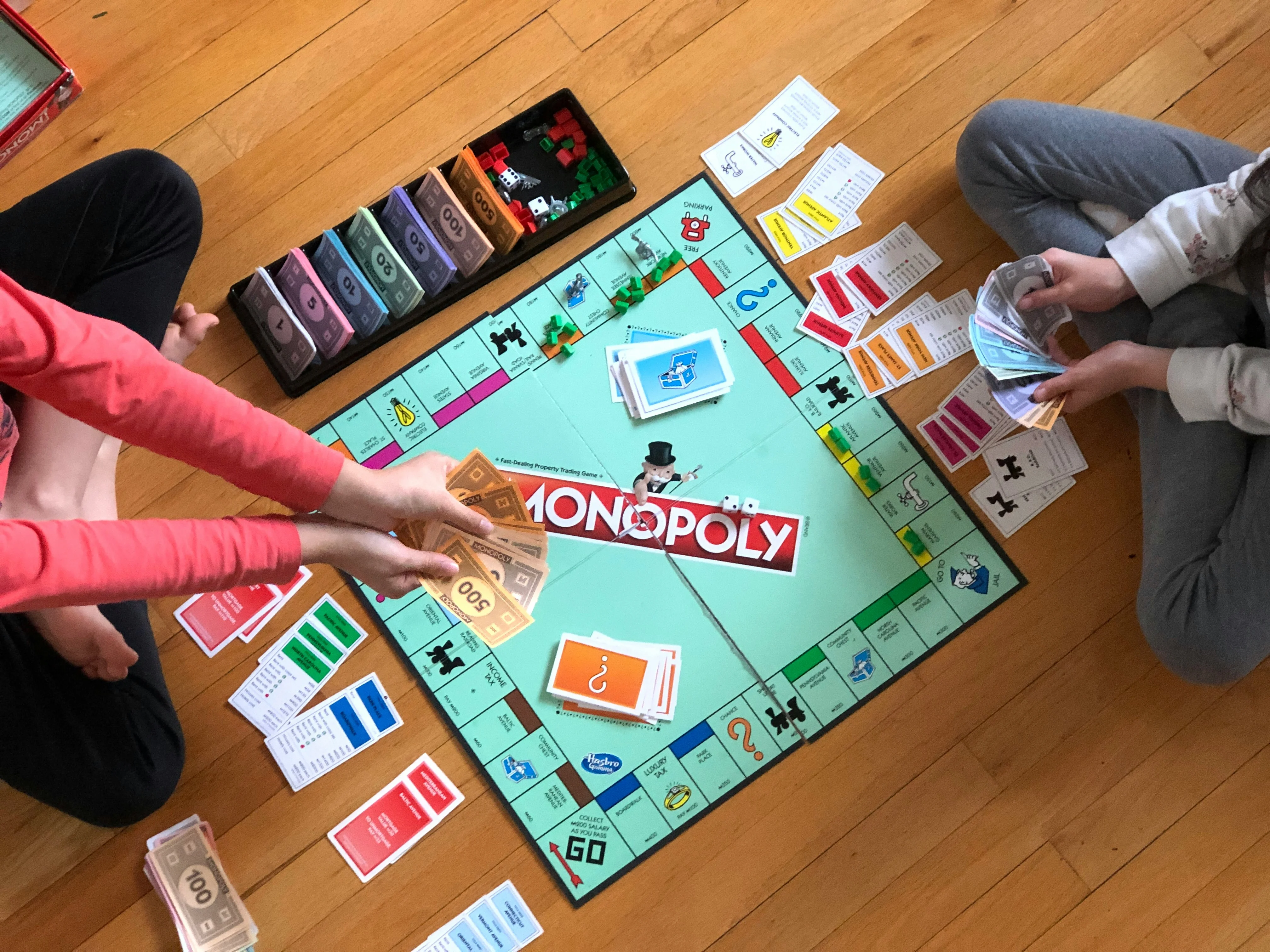
When we play board games in person, we engage multiple senses simultaneously in ways that online gaming cannot match. The satisfying tactile experience of organising your Monopoly cards, the melodious clicking of handling scrabble pieces, the visual cues from reading opponents' facial expressions, and the subtle art of non-verbal communication all combine to create a richer, more rewarding experience.
Research from the University of Oxford found that people who regularly engage in face-to-face social activities, including board games, report significantly higher levels of wellbeing and life satisfaction. The study demonstrated that in-person interaction triggers the release of endorphins - our brain's natural feel-good chemicals - in ways that digital communication does not.
Moreover, a study published in The Journals of Gerontology found that adults who regularly played board games were 15% less likely to develop depression. The cognitive engagement combined with social interaction creates a powerful cocktail for mental health.
Building Genuine Connection Through Shared Experience
Loneliness has become a pressing public health concern in the UK. According to the Office for National Statistics, approximately 3.8 million adults in Britain describe themselves as often or always lonely (https://www.ons.gov.uk). Board games offer an accessible, affordable way to combat this epidemic.
When we play together in person, we create shared memories and emotional bonds that strengthen relationships. The laughter over a brilliant move, the groans when someone draws an unlucky card, the gentle teasing and camaraderie - these moments weave the fabric of genuine human connection.
Unlike online gaming where players can easily disconnect or hide behind avatars, board games require presence and vulnerability. You cannot hide your disappointment when your carefully planned strategy crumbles, nor can you disguise your delight at an unexpected victory. This authenticity fosters deeper, more meaningful relationships.
Key benefits of in-person board gaming include:
- Enhanced empathy through reading facial expressions and body language
- Improved communication skills through negotiation and discussion
- Stronger sense of belonging and community
- Reduced feelings of isolation and loneliness
- Creation of regular social rituals that provide structure and anticipation
The Cognitive Advantages of Analogue Play
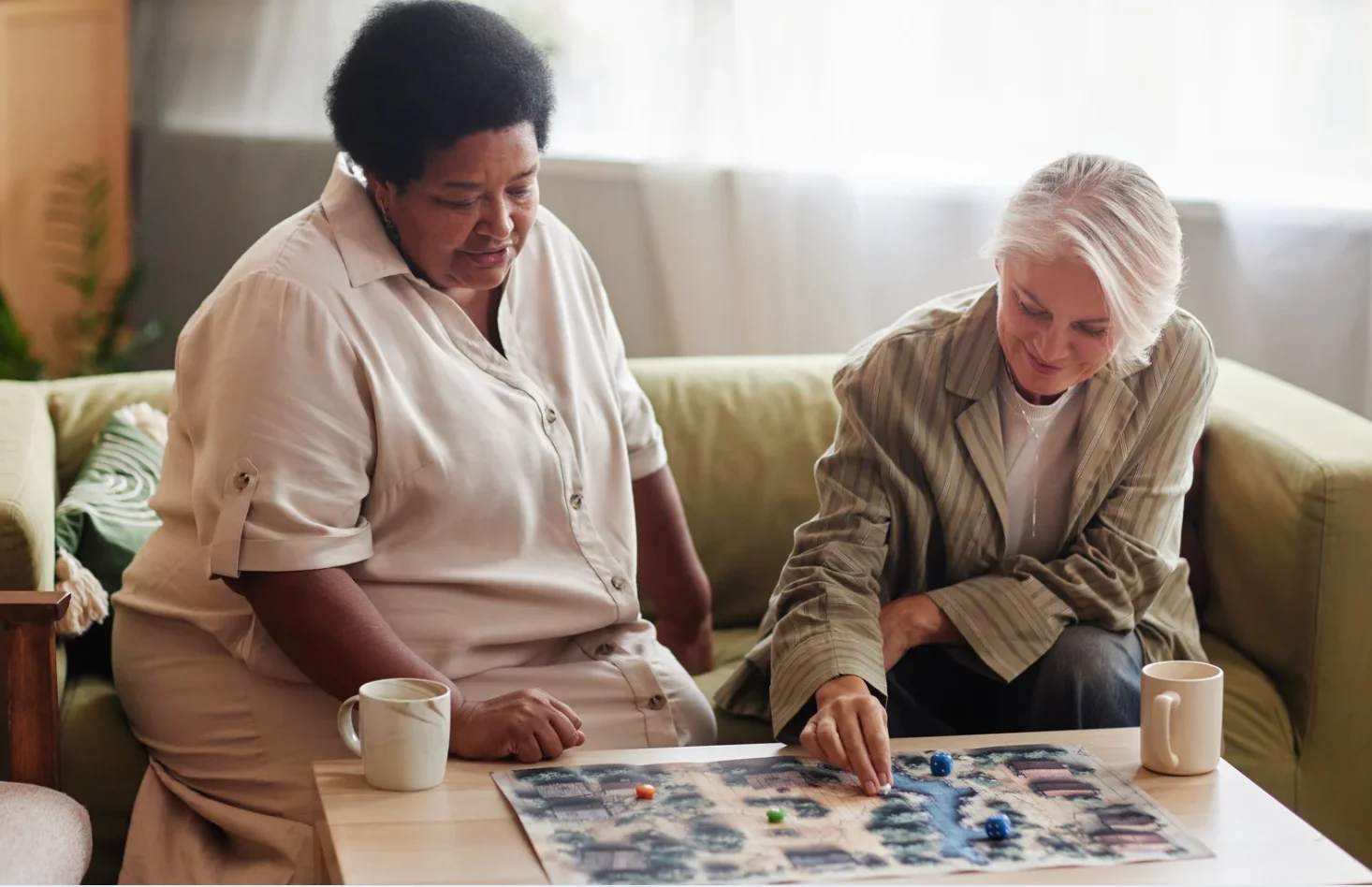
Board games engage our brains differently than digital alternatives. The physical manipulation of game components activates motor skills and spatial reasoning in ways that clicking a mouse or tapping a screen cannot replicate.
A study from the University of Edinburgh found that regular board game players showed better cognitive function, particularly in memory and thinking skills, as they aged. The combination of strategic thinking, problem-solving and social interaction creates a comprehensive mental workout.
Furthermore, board games often require players to multitask - keeping track of their own position, monitoring opponents' strategies, and planning several moves ahead. This complex cognitive juggling strengthens executive function and mental flexibility.
Creating Technology-Free Spaces for Mental Wellness
In an era of constant digital distraction, board games offer a rare opportunity for genuine presence. When we commit to a game night, we typically put our phones aside and focus entirely on the people around us.
This digital detox aspect of board gaming provides significant mental health benefits. Research by the University of Pittsburgh found that limiting social media use to 30 minutes per day led to significant reductions in loneliness and depression. Board games naturally facilitate this disconnection whilst replacing screen time with meaningful human interaction.
The Intergenerational Magic of Board Games
One of the most beautiful aspects of traditional board games is their ability to bridge generational divides. Grandparents, parents and children can compete on equal footing, creating opportunities for cross-generational bonding that are increasingly rare in our age-segregated society.
For those exploring intergenerational living arrangements, regular board game sessions can smooth the transition and build rapport. The informal, playful atmosphere helps people of different ages find common ground and develop genuine affection for one another.
These shared activities are particularly valuable in homesharing situations, where building trust and friendship enhances the living experience for everyone involved.

Conclusion
Whilst online gaming has its place, the wellbeing benefits of in-person board gaming are undeniable. From combating loneliness to boosting cognitive function, from building genuine relationships to creating technology-free moments of presence, traditional board games offer something precious in our digital age: authentic human connection.
If you're seeking a living arrangement that encourages meaningful interaction and genuine companionship, perhaps it's time to explore homesharing. At hapipod, we connect people who value community, conversation and shared experiences - whether that's over a board game, a cup of tea, or simply good company. Discover how mutually beneficial, financially rewarding homeshare could enrich your life today.
Ready to find your homeshare?
Join thousands of hosts and lodgers building meaningful connections across the UK.
Get started free