Why Loneliness Peaks When the Clocks Go Back—And How to Fix It
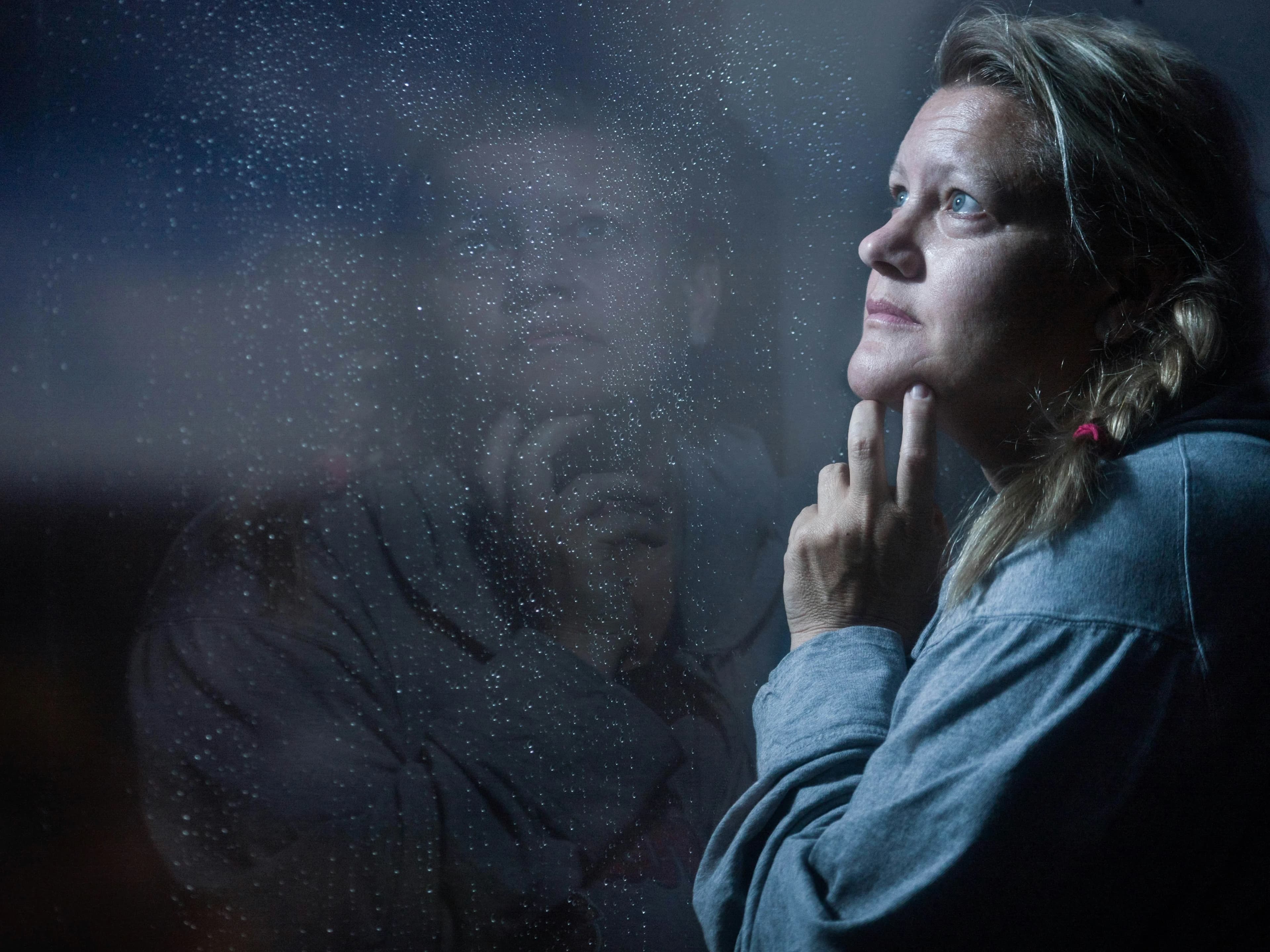
Every October, as the clocks go back and darkness sets in by teatime, something shifts. The cheerful bustle of summer is well behind us, replaced by longer nights and early sunsets. For millions living alone, this annual ritual marks more than just a time change—it signals the start of the loneliest season of the year.
The Autumn Loneliness Spike: Why It Happens Every Year
The connection between shorter days and increased loneliness isn't coincidental. When the clocks go back in late October, we lose that precious hour of evening daylight, and the psychological impact is profound. Research from the Campaign to End Loneliness reveals that 3.83 million adults in the UK describe themselves as often or always lonely, with these feelings intensifying significantly during autumn and winter months.
Several factors converge to create this seasonal vulnerability:
- Reduced daylight exposure - affects our circadian rhythms and mood-regulating hormones, particularly serotonin
- Earlier darkness - limits spontaneous social interactions—evening walks, garden chats, and casual encounters become less appealing
- The cold - the drop in temperature makes people more reluctant to venture out into the cold, and catching illnesses more likely
- Wet weather and ice - makes it harder for older adults worried about slips and falls to navigate the outdoors
- The approaching festive season - amplifies feelings of isolation for those without close family connections

Who is Most Affected?
Perhaps counter-intuitively, the Office for National Statistics found that younger adults are more likely to report feeling lonely often, always or some of the time (27% of those aged 16 to 29 years and 28% of those aged 30 to 49 years), compared with older adults (19% of those aged 50 to 69 years and 16% of those aged 70 years and over). For many of these individuals, the transition to darker evenings marks the beginning of their most isolated months.
Another factor compounding the emotional impact of loneliness is financial stress. The rising cost of living and steeper heating and utility bills in winter add to pressures from holiday expectations. This is felt particularly by younger adults—who are disproportionately impacted by lower entry-level wages, precarious or gig-economy jobs, and high urban housing costs. Often they cannot afford social outings, dinners, or travel to see family.
Many people are handling these pressures on their own. In the mid-life age group alone, figures show that in England and Wales 4.9 million people between the ages of 40-64 live in single-person households.
The Hidden Impact of Living Alone Through Winter
When you're the only person in your home, the seasonal shift can feel overwhelming. That first evening after the clocks change—when you look up from your computer or television at what feels like mid-afternoon to find it's already pitch dark—can be genuinely unsettling.
Interestingly, research from Age UK found that over a million older people say they go for over a month without speaking to a friend, neighbour or family member. This isolation intensifies considerably once autumn arrives. The garden projects pause, the neighbourly fence conversations dwindle, and suddenly those empty rooms feel emptier.
Adults in mid-life living alone face similar challenges. More people in their 40s, 50s and 60s find themselves navigating life's transitions—divorce, bereavement, children leaving home—in solitary households.
Added to this there is Seasonal Affective Disorder (SAD), which most commonly occurs during the autumn and winter months. Its symptoms include persistent low mood, lack of energy, changes in sleep or appetite, and in extreme cases, it can lead to suicidal thoughts. SAD is diagnosed up to three times more frequently in women than in men, and most often begins in young adulthood, particularly affecting individuals aged 18 to 30.

What Loneliness Does to Your Brain and Body - Business Insider
Tips for Combatting 'Winter Blues' During the Winter Months
Anxiety often goes hand in hand with loneliness, and is heightened in winter for the same reasons. It can disrupt the body's internal clock and lower serotonin levels, a key chemical responsible for mood regulation. Added to increased social isolation and less physical activity, it can disrupt your vital natural outlets for stress relief.
There are a few simple ways to rethink your lifestyle over the winter months that will help you challenge these 'winter blues'.
- Maximise your light: Get out into the sunlight as much as you can, but also let the light in! Make your house as bright as possible by opening curtains and blinds, using lights and lamps to throw in extra light. This is one of the best ways to counterbalance winter seasonal mood change and help regulate the sleep cycle.
- Protect your sleep cycle: In contrast, let it go dark when you're asleep - blackout blinds can really help. Sleep is very important to mental wellbeing. Keeping up a consistent and good quality sleep schedule is vital. Try and stick you your usual time schedule of going to sleep and waking up each day. Limit your caffeine intake, and always try and avoid the temptation to use your mobile or tablet, or to watch any screens at least an hour before sleep.
- Plan to reduce your isolation: It's easy to lose contact with people over the winter when everyone starts hibernating a little more due to the cold and the tighter squeeze on finances with higher energy bills. Turn socialising into home drop ins rather than coffee shops, go for nice walks and use video communications to keep up with those who can't get out. .
An Additional Solution: Compatible Company In-House
Mutually beneficial homesharing with the right person can offer a real antidote to seasonal loneliness and anxiety. This does not mean finding someone to fill every waking moment, but rather having compatible company available when you want it—someone like-minded to share a cup of tea with as darkness falls, to share the odd meal, or simply to have another presence overnight in case there happens to be a power cut, for example, or in case of a fall.
In this arrangement, householders offer spare rooms at rates well below market rents to helpful lodgers. Unlike traditional lodger arrangements focused purely on financial transactions, personality-matched homesharing creates genuine companionship and brings practical help. When householders connect with lodgers who share their interests, values and lifestyle preferences, something remarkable happens: the house becomes a home again.
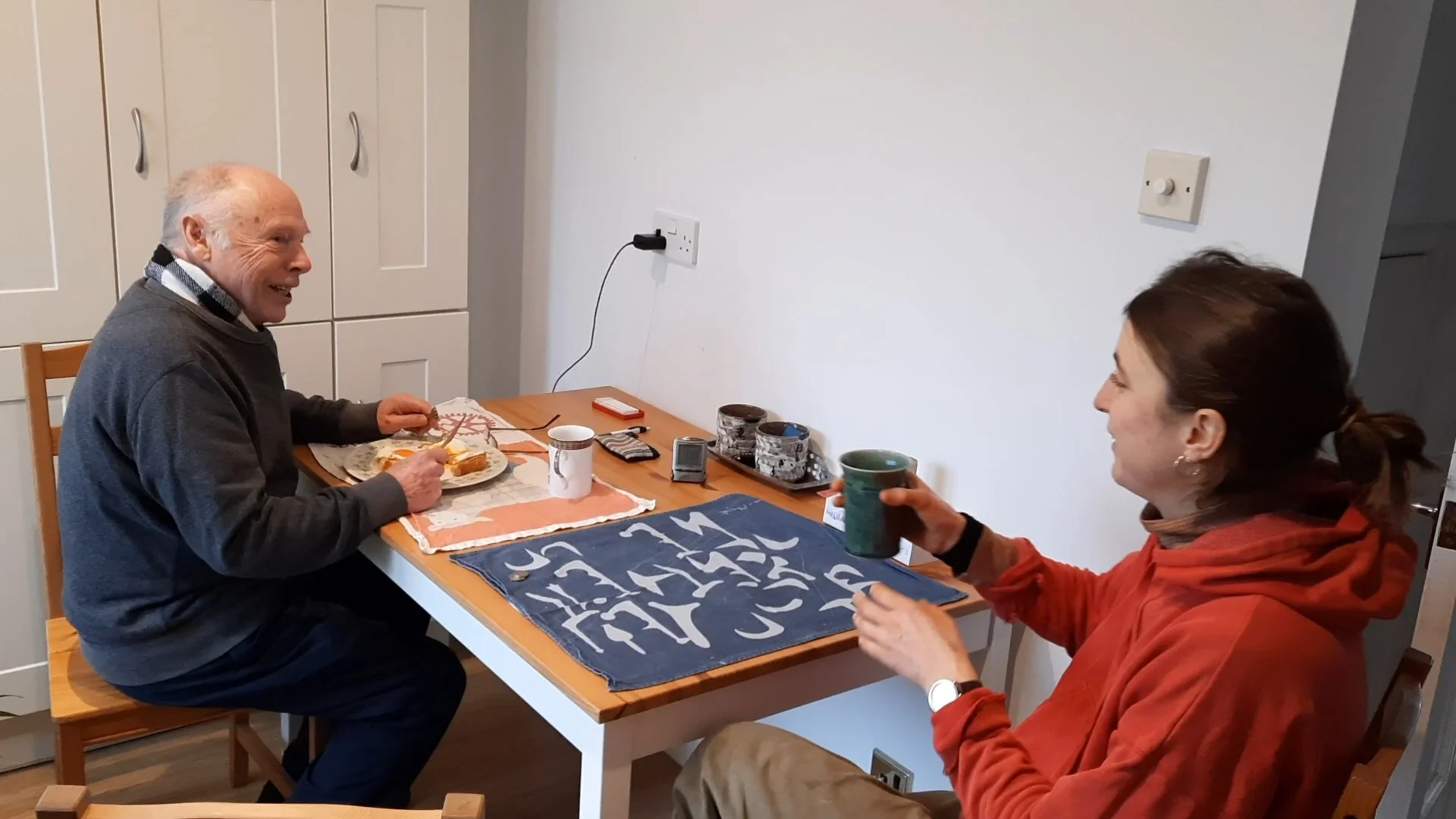
Consider these real-world scenarios:
- A film enthusiast hosts a lodger who loves classic cinema—suddenly those dark evenings become opportunities for shared movie nights
- A keen cook matches with someone who enjoys learning new recipes— dining becomes collaborative rather than solitary
- Someone wanting to upgrade their wellness regime matches with a yoga practitioner - skills are honed and weekends become more holistic
- A bookworm connects with a fellow reader—evenings become chances to discuss latest reads over tea
- A seasoned traveller matches with a linguist - chats over a mulled wine offer opportunities to improve languages and share stories of adventure
These aren't forced arrangements but organic relationships built on mutual interests. The householder gains both practical support and companionship, whilst the lodger enjoys comfortable, affordable accommodation in a welcoming home. Everyone benefits from the natural social interaction that comes from sharing space with someone like-minded.
Read more about finding your ideal homeshare match.
Beyond Companionship: The Practical and Financial Benefits
Whilst companionship addresses the emotional challenge of darker months, homesharing also tackles the practical difficulties that amplify autumn loneliness:
- Someone's home when deliveries arrive during short daylight hours
- Shared responsibility for household tasks feels less overwhelming
- Two sets of eyes and ears create better home security during long, dark evenings
- Having extra rental income helps combat rising energy costs during winter
- Having another person around means you're more likely to actually do things and motivate one another—cook properly, maintain routines, venture out

New research shows that over a third of key workers spend more than 30% of their income on rent. The long commutes that many are forced into can add hours of lonely travel on to a day and reduce their time to enjoy meaningful socialising. On the other side of the coin, for householders with spare rooms, welcoming a compatible lodger not only combats loneliness but provides valuable income during financially challenging times.
In mutually beneficial homesharing, householders can make up to £7,500/yr in rent tax-free, while lodgers live well in conveniently located rooms and save thousands of pounds a year on rent.
One common concern for those considering homeshare for the first time is privacy, but sharing your home doesn't mean having to compromise it. Read more about how you can still maintain the privacy you need during a homeshare.
Still Time Before Winter Sets In
The weeks following the clocks changing are actually ideal for considering a homesharing arrangement. You're acutely aware of how the season affects you, yet there's still time before the depths of winter to find the right match and settle into new routines.
Platforms like hapipod match people based on personality, interests and practical needs—not just location, and amenities. The process includes ID verification, matching through detailed profiles, and using safeguarding guidelines to complete thorough background checks, enabling householders to find genuinely compatible lodgers who'll enrich their lives rather than simply occupy space.
Read more on who might be your ideal lodger.
Try A Different Approach to Reduce Isolation
As the clocks fall back and darkness arrives earlier each evening, loneliness doesn't have to be inevitable. The right household match—someone who shares your interests, respects your space, and genuinely enjoys your company—can transform how you experience not just autumn, but year-round living.
If you're facing another winter alone in a home that feels too big and too quiet, perhaps it's time to consider a different approach. Visit hapipod.com to explore how thoughtful homesharing could bring warmth, companionship and practical support into your home this season.
Discover more about how homesharing works and whether it might suit your situation.
Ready to find your homeshare?
Join thousands of hosts and lodgers building meaningful connections across the UK.
Get started free