
Are We More Connected or More Alone? The Digital Paradox
We're more connected than ever before, yet loneliness rates are soaring. Our smartphones ping with notifications, social media feeds scroll endlessly, and AI chatbots can now hold conversations that feel eerily human. But as technology weaves itself ever more tightly into the fabric of our daily lives, a crucial question emerges: is British society becoming genuinely more sociable, or are we drifting into an age of profound isolation?
The Loneliness Epidemic: The Numbers Don't Lie
The statistics paint a sobering picture. According to the Office for National Statistics, approximately 3.83 million adults in England reported feeling lonely 'often' or 'always' in 2022. More alarmingly, the Co-op Foundation and British Red Cross research found that over 9 million people in the UK across all adult ages are either always or often lonely.
Younger generations, despite being digital natives, aren't immune. Research from Marmalade Trust reveals that 28% of 18-29 year olds feel lonely multiple times a day, compared to just 7% of people aged 65 and over feeling chronically lonely. The very demographic most fluent in digital communication appears to be suffering the most from social disconnection.

The Digital Double-Edged Sword
Technology's impact on our social lives is paradoxical. Video calls kept families connected during lockdowns. Social media allows us to maintain friendships across continents. Dating apps have revolutionised how people meet partners. Yet these same tools can hollow out the quality of our interactions and reduce their number.
The Illusion of Connection
Digital communication creates what psychologists call 'ambient awareness', where we feel connected to people's lives through their posts and updates without actually engaging in meaningful conversation. We're spectators of each other's lives rather than active participants. A study by the Royal Society for Public Health found that social media use is associated with increased rates of anxiety, depression, and poor sleep, particularly among young people.
The AI Companion Question
Artificial intelligence has now entered our social sphere in unprecedented ways. From chatbots that provide customer service to AI companions designed specifically for conversation, machines are increasingly filling roles once occupied by humans. Some elderly people are now receiving care reminders from AI assistants, whilst others use AI chatbots for daily conversation.
Whilst these technologies can provide practical support, particularly for isolated individuals, they raise uncomfortable questions. Can an algorithm truly provide companionship? Research from Campaign to End Loneliness emphasises that quality human relationships are what matter for wellbeing, not just the quantity of social contact or its digital equivalent.
There has been a surge in people adopting AI chatbots as partners or emotional advice-givers, but research shows it can severely damage psychological well-being and real-world social skills. The negative impact centers on an "echo chamber of one"—because these bots are programmed to be hyper-agreeable and frictionless. Users experience "social offloading" that strips away the essential negotiation, patience, and conflict-resolution skills needed for human relationships. Far from solving loneliness, a landmark 2026 study published in Nature Human Behavior by researchers at Stanford University found that heavily opening up to AI companions actually worsens isolation, increases social anxiety, and lowers life satisfaction for vulnerable individuals.

Work, Home, and the Disappearing Third Place
Our physical environments have fundamentally changed. The shift to remote working means many professionals now spend their days in solitary home offices, missing the casual conversations that once punctuated office life. Meanwhile, traditional 'third places', those informal public gathering spots that aren't home or work (pubs, community centres, libraries), are disappearing. CAMRA reports that 400 pubs closed in England and Wales in 2023 alone.
This reduction in spontaneous social mixing has profound implications. Research from The King's Fund shows that casual, regular social interaction, even with acquaintances rather than close friends, significantly impacts our mental wellbeing.
See Is Your Need for Solitude Inherited or Shaped by Your Experiences
Counter-Trends: The Push for Real Connection
Yet there are signs of resistance to this digital drift. The explosion in popularity of community initiatives, from wild swimming groups to book clubs, suggests many people are actively seeking face-to-face connection. Men's Sheds, which provide communal workshops for men to gather and create together, have grown to over 600 locations across the UK, according to UK Men's Sheds Association.
The concept of co-living and shared housing is also experiencing a renaissance. Whilst younger generations initially embraced house-sharing out of financial necessity, many more, of all generations are now recognising its social benefits. Traditionally, mutually beneficial homeshare was primarily arranged through formal agencies for older more vulnerable people, but it is now being reimagined for people of all ages seeking both affordability and companionship.
In modern 'homeshare' householders offer a spare room at below market rate, and gain both compatible company and a few hours a week of their lodgers time to help with anything from company to gardening, dog walking or childcare. Meanwhile lodgers gain comfy affordable rooms in welcoming households and live well for a lot less. A unique platform connecting compatible householders and lodgers in these arrangements is hapipod.com - an online homeshare matching site, matching people by personality, skills and interests. These living arrangements naturally reduce social isolation and foster more meaningful connections between hosts and lodgers, whether between contemporaries, or across generations.
See Why Compatibility Matters as Much as Vetting in Homeshare
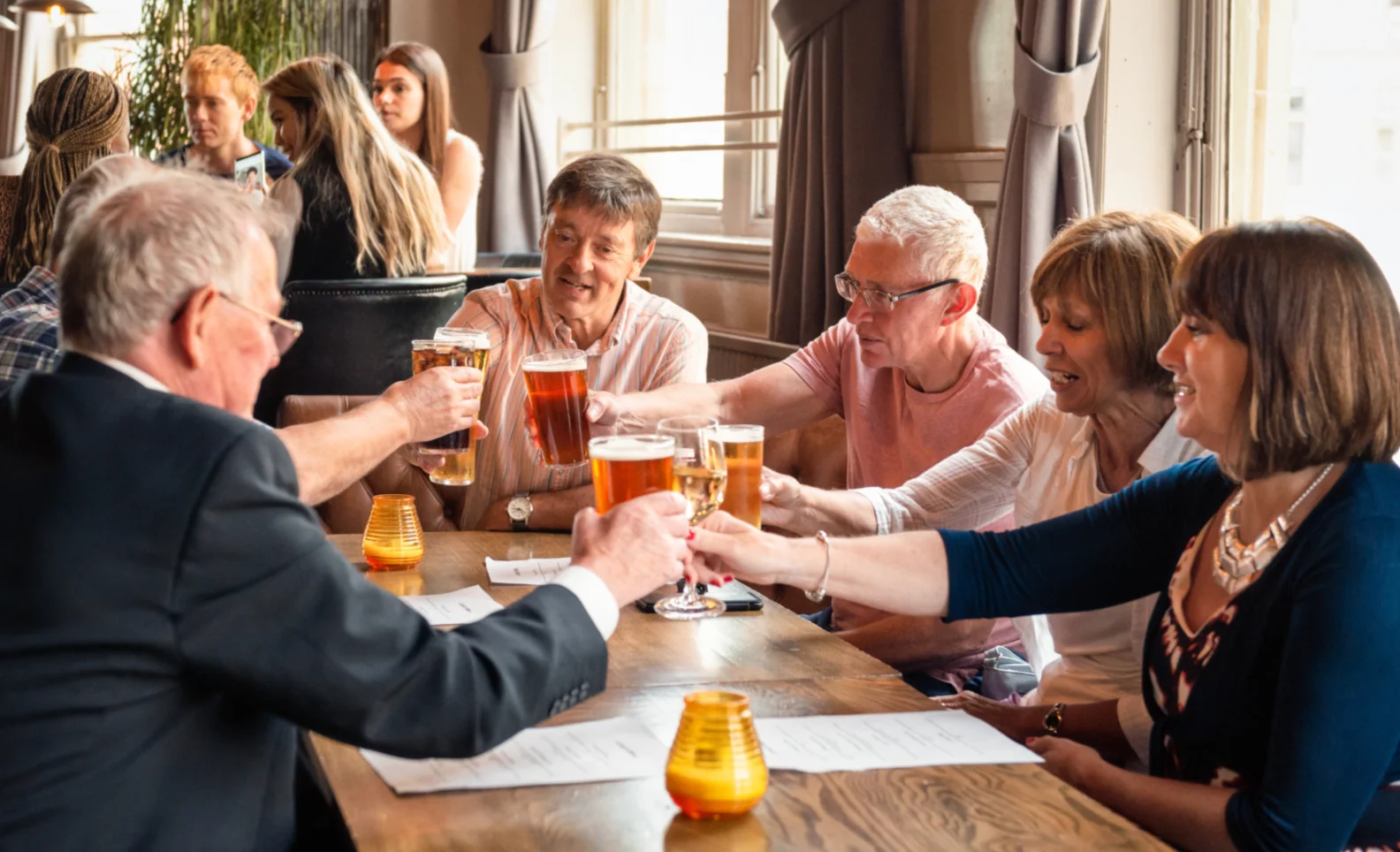
Embracing Tech Alongside Real World Encounters
The evidence suggests we're at a crossroads. Technology hasn't made us inherently more or less sociable; rather, it's changed the nature and quality of our social bonds. The question isn't whether to embrace or reject digital tools, but how to use them whilst preserving the deep, meaningful human connections that wellbeing research consistently shows we need.
Intergenerational initiatives, community projects, and innovative housing arrangements that encourage genuine interaction all point towards solutions. The UK's growing interest in shared living arrangements that combine practical support with companionship suggests people are actively seeking alternatives to isolated living, recognising that human connection remains irreplaceable.
See What Your Sunday Hobby Says About Your Ideal Lodger
Finding Balance in a Digital Age
Whilst technology and AI have undeniably transformed how we interact, the UK's growing loneliness crisis suggests that virtual connection cannot replace physical presence and genuine human warmth. The most promising path forward may lie not in choosing between digital and real-world interaction, but in using technology mindfully whilst prioritising face-to-face relationships and shared physical spaces.
If you're seeking more meaningful connection alongside affordable living, explore how modern homesharing through hapipod brings people together in practical, rewarding arrangements. Because sometimes, the best antidote to our increasingly digital world is simply sharing space with another human being.
See also What is Homeshare
Ready to find your homeshare?
Join thousands of hosts and lodgers building meaningful connections across the UK.
Get started free