How Clubs and Special Interest Groups Are The New Extended Family
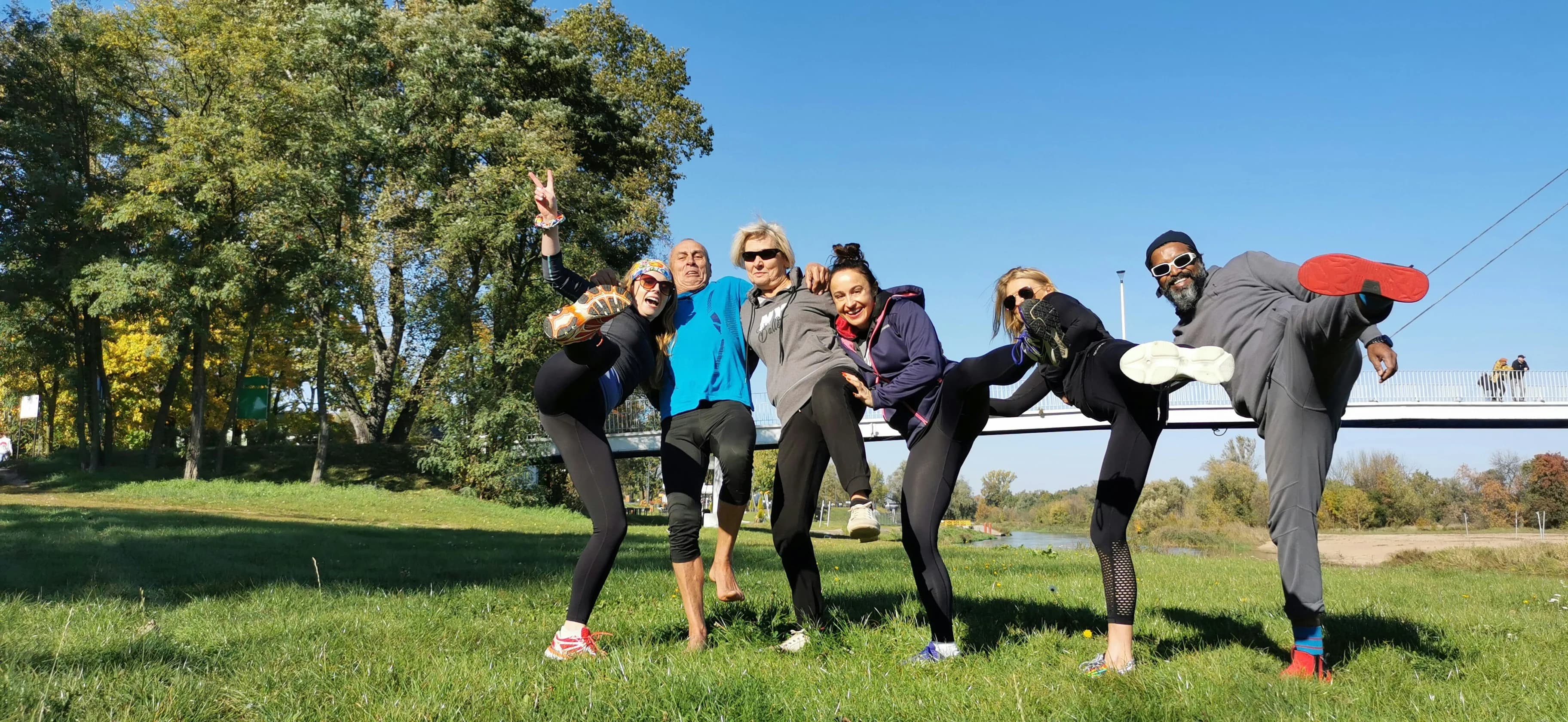
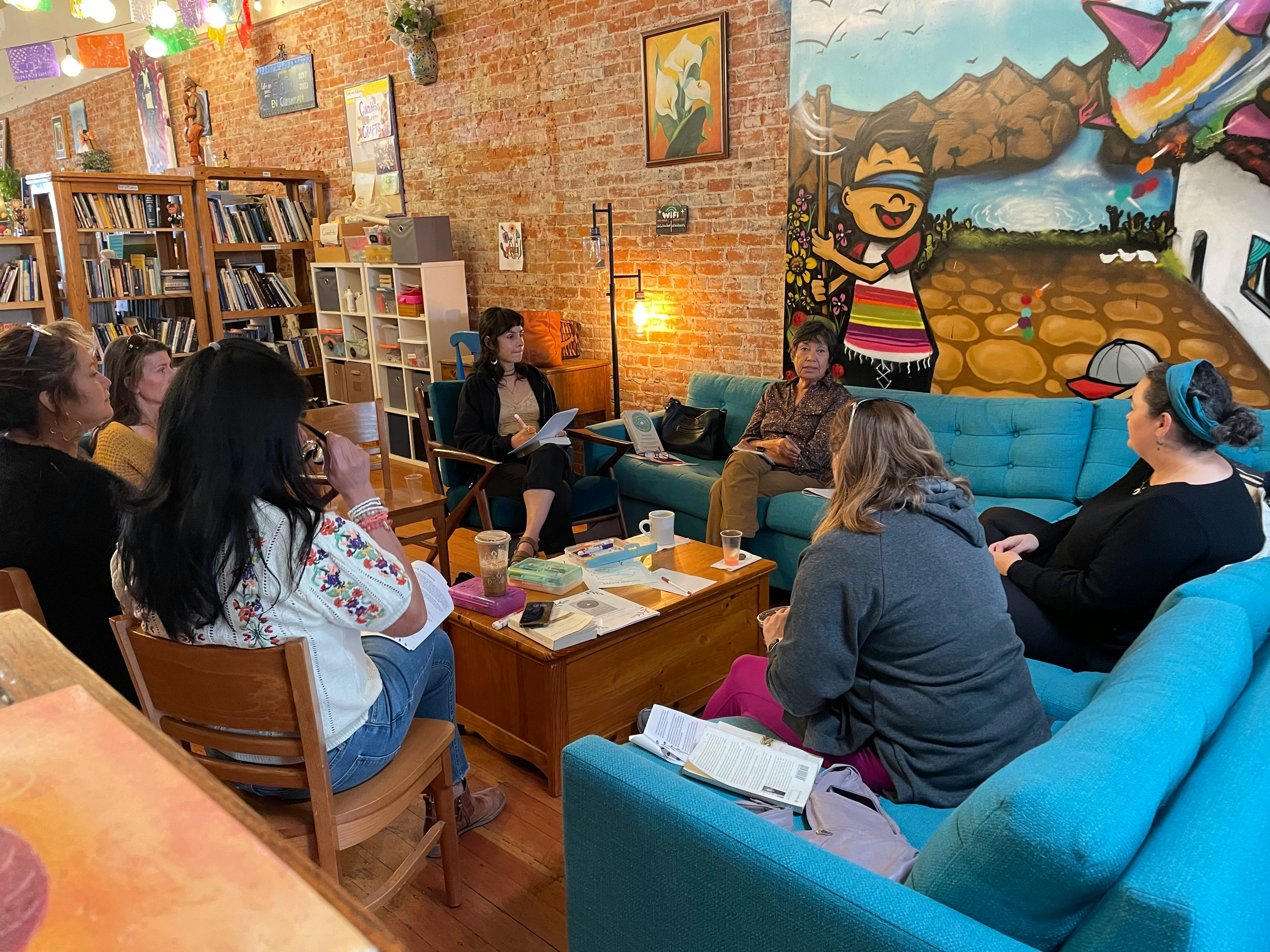
In an era where families are increasingly scattered across the country or the globe, a social shift is taking place in community halls, church basements and garden centres across Britain. People are finding their 'extended family' not through blood relations, but through shared passions - singing in choirs, tending allotments, or gathering for weekly book clubs. These special-interest communities are becoming vital sources of social support, companionship and practical help that previous generations might have received from nearby relatives.
The Changing Face of British Families
The traditional image of the extended family living within walking distance has become increasingly rare in modern Britain. Research this year by MoneyPenny.com, shows that 35% of office workers have already relocated, and another 53% would be happy to do so. According to the Office for National Statistics, single-person households represent 30% of all households in the UK, and the number of 45-64 year olds living alone has more than doubled in 20 years.
Geographic mobility for work and housing has scattered families across counties and countries. Adult children move to cities for careers, whilst parents remain in family homes or relocate for retirement. The result? A growing need for social connection and practical support that isn't being met by family proximity. This is where special-interest groups are stepping in, often without anyone quite realising the vital role they're playing.
Why Shared Interests Create Deep Bonds
There's something powerful about bonding over a shared passion. Whether it's harmonising in a community choir, propagating plants at a gardening club, or discussing theology after a church service, these activities create natural opportunities for connection that go far beyond small talk.
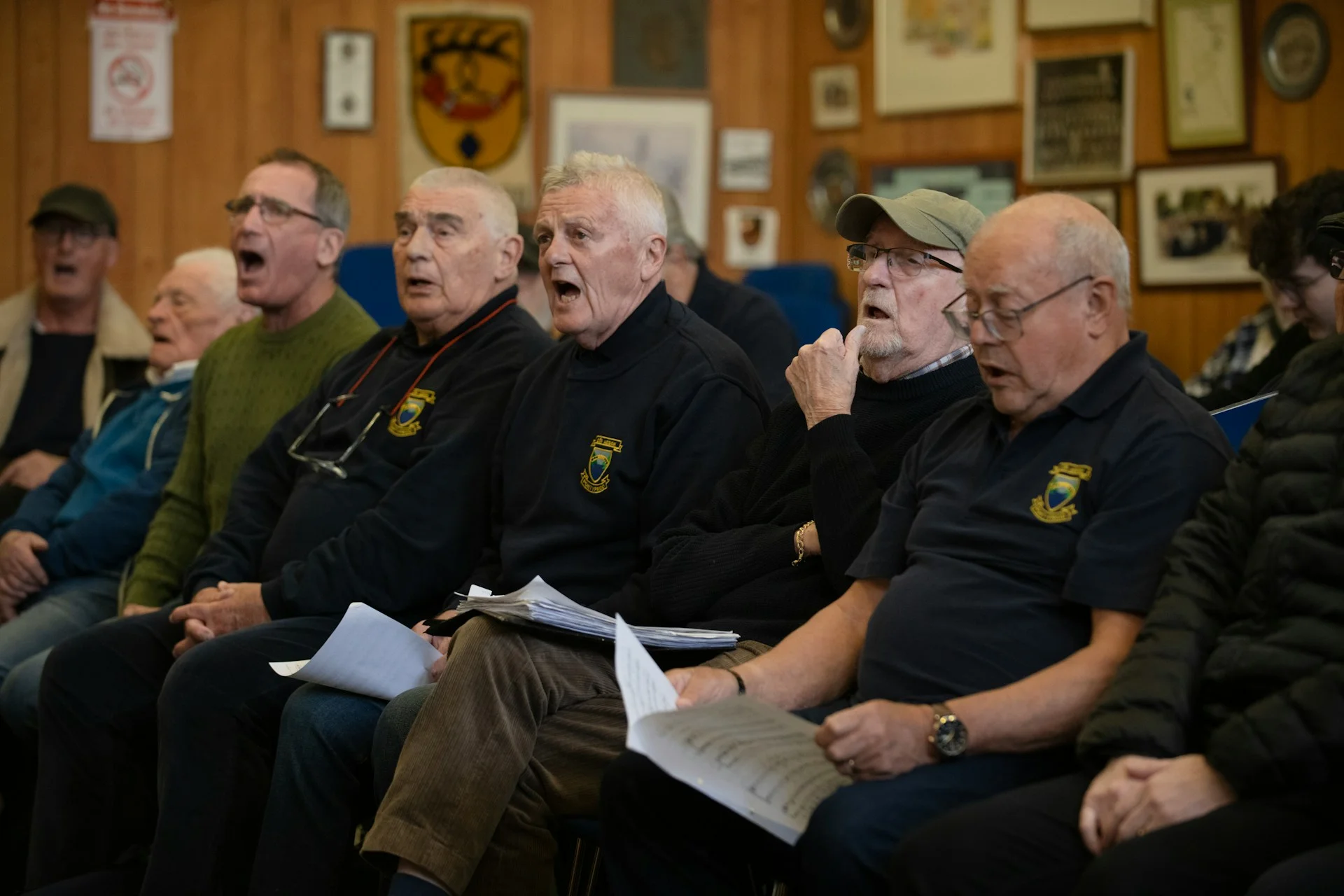
Community choirs have seen a remarkable surge in popularity. The research charity What Works Wellbeing found that regular participation in group singing can significantly reduce loneliness and increase feelings of belonging. Members don't just rehearse together - they chat over tea, check in on each other when someone's absent, and often provide practical support during difficult times.
Gardening clubs and allotment communities offer similar benefits. The Royal Horticultural Society reports that community gardening brings together people from diverse backgrounds who might never otherwise meet. These groups become informal support networks where people share not just seeds and cuttings, but life experiences, advice and friendship.
Faith communities have long understood the importance of congregation beyond worship. Whether it's Church of England parishes, mosques, synagogues or other religious communities, these groups provide structured opportunities for regular social interaction, practical help and emotional support that mirrors the traditional extended family role.
See How hapipod Homeshare Can Add Fun Energy and Youthful Zing to Your Retirement
The Practical Support Network
What makes these communities particularly valuable is the practical help they offer. Members of running clubs look out for each other's wellbeing. Book club friends water plants during holidays. Choir members provide lifts to hospital appointments. This informal reciprocity - helping because you're part of a community, not because of obligation - creates resilient support networks.
Research from the Campaign to End Loneliness shows that more than 3.8 million people in the UK experience chronic loneliness. Yet those involved in regular group activities report significantly higher levels of wellbeing and life satisfaction. These aren't just pleasant hobbies - they're vital social infrastructure.
Gigi Dryer, an Integrative Counsellor says "I often notice that clients who find ways to connect whether through physical activities or their creativity, be it through the gym, sport, art, walking in nature, music or simply being part of something, really feel the benefits to their wellbeing. Showing up regularly for something that matters to us can help us feel more grounded, connected and present."

Building Your Own Extended Family
The beauty of interest-based communities is their accessibility. Unlike family, which you're born into, these groups are open to anyone who shares the interest. This means people can curate their social circles based on compatibility, shared values and genuine connection rather than family obligation.
For those relocating to new areas, joining local groups provides an instant community. For people living alone, regular weekly activities create structure and reliable social contact. For those whose families live far away, these communities offer the day-to-day companionship and support that distance makes impossible.
The key is consistency. Weekly commitments - whether that's Tuesday evening choir practice or Saturday morning parkrun - create rhythm and reliability. People notice when you're absent. Friendships deepen through repeated interaction. Over time, what starts as a shared hobby evolves into something far more significant - a proactively chosen family.
See Is Your Need for Solitude Inherited or Shaped by Your Experience
Beyond Traditional Groups
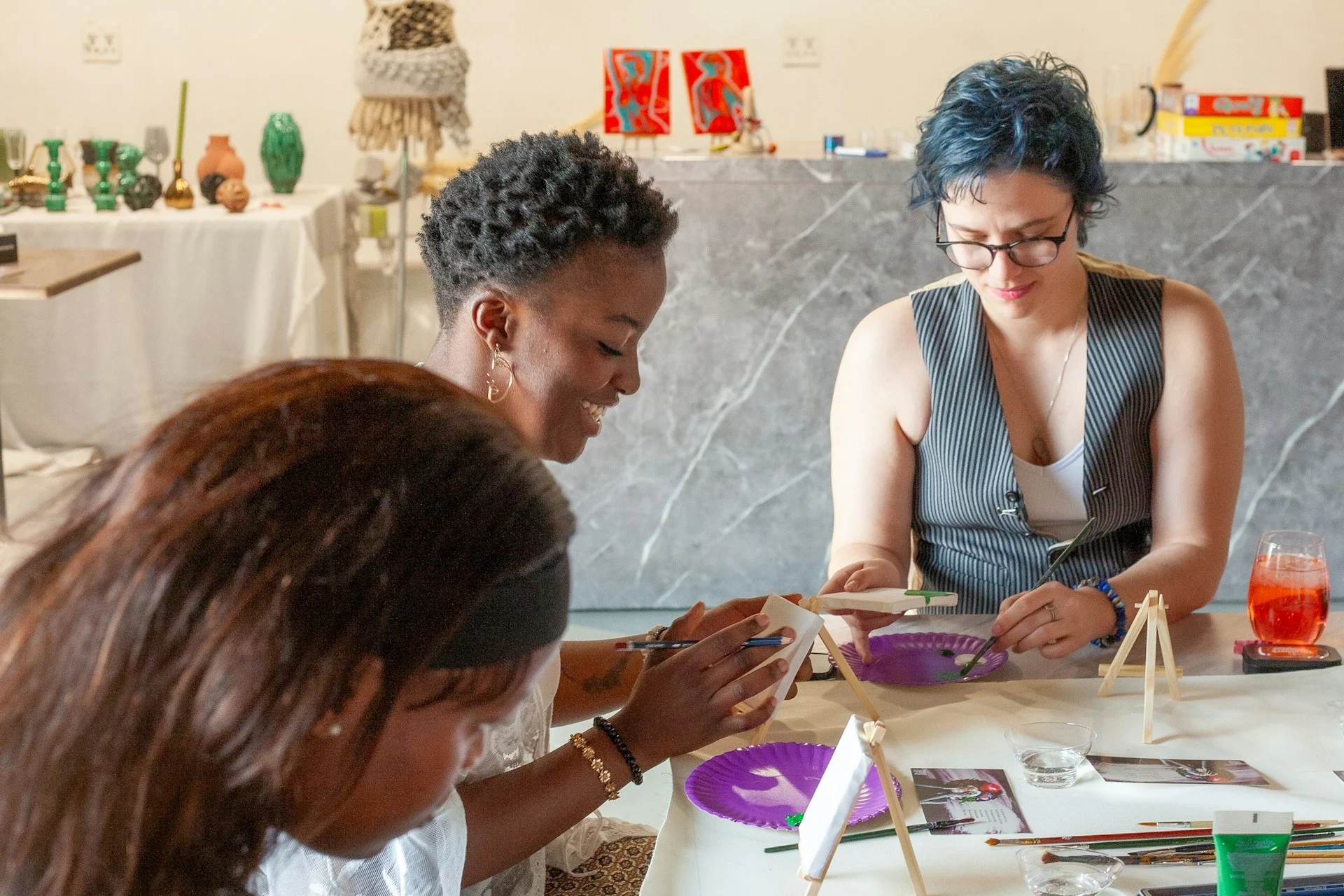
While choirs, gardening clubs and church groups remain popular, the principle extends to countless other communities. Photography clubs, walking groups, craft circles, language classes, sports teams and volunteering organisations all serve similar functions. Even online communities, when they include regular face-to-face meetups, can provide genuine social support.
The common thread is regular, face-to-face interaction around a shared purpose. This combination creates the conditions for friendship to flourish and support networks to form naturally.
When you don't have immediate family around to lean on, this is can be a vital lifeline. As Dryer says "It reminds us that we matter, that we belong, and that there is a life beyond our worries and struggles. Looking after our mental health isn’t only about what we think and feel, it’s also about how we engage with and participate in our lives."
Conclusion
As traditional family structures continue to evolve, special-interest communities are quietly becoming the extended families of modern Britain. They provide not just entertainment or hobby fulfilment, but vital social support, practical help and genuine companionship that enriches daily life.
Just as finding compatibility, shared interest and values is important in determining your social circles, it can also enhance your home life. One innovative approach to developing genuine connections and building community is Homesharing through hapipod. On the hapipod.com introduction platform, householders and lodgers match on the basis of skills, personality and interests to create practical shared living arrangements that make life easier and more socially and financially rewarding for both parties. hapipod helps foster friendships that can feel like family - combining affordable accommodation with companionship and mutual support. But whether it's joining a choir or sharing a home, building your chosen family has never been more important.
Ready to find your homeshare?
Join thousands of hosts and lodgers building meaningful connections across the UK.
Get started free